





3 « Synergy » Chairs

3 ‘Synergie’ Chairs
The Synergie Chairs are one of the artificial intelligence research programmes led by the DataIA Institute. This chairs scheme aims to support and coordinate scientific projects led by researchers and academic staff within the DataIA ecosystem.
A research chair brings together researchers, socio-economic partners and dedicated resources to address a common issue. Over a period of approximately three years, it aims to develop high-calibre scientific research, whilst promoting innovation, training and knowledge transfer. Synergie chairs are also designed to serve as a genuine forum for collaboration between the academic world and public or private sector stakeholders.
Launched in March 2025, these projects bring together eight researchers, each receiving €300,000 in funding, to carry out scientific research on the following topics:
« Pre-trained Models for Data Frugality in Health »
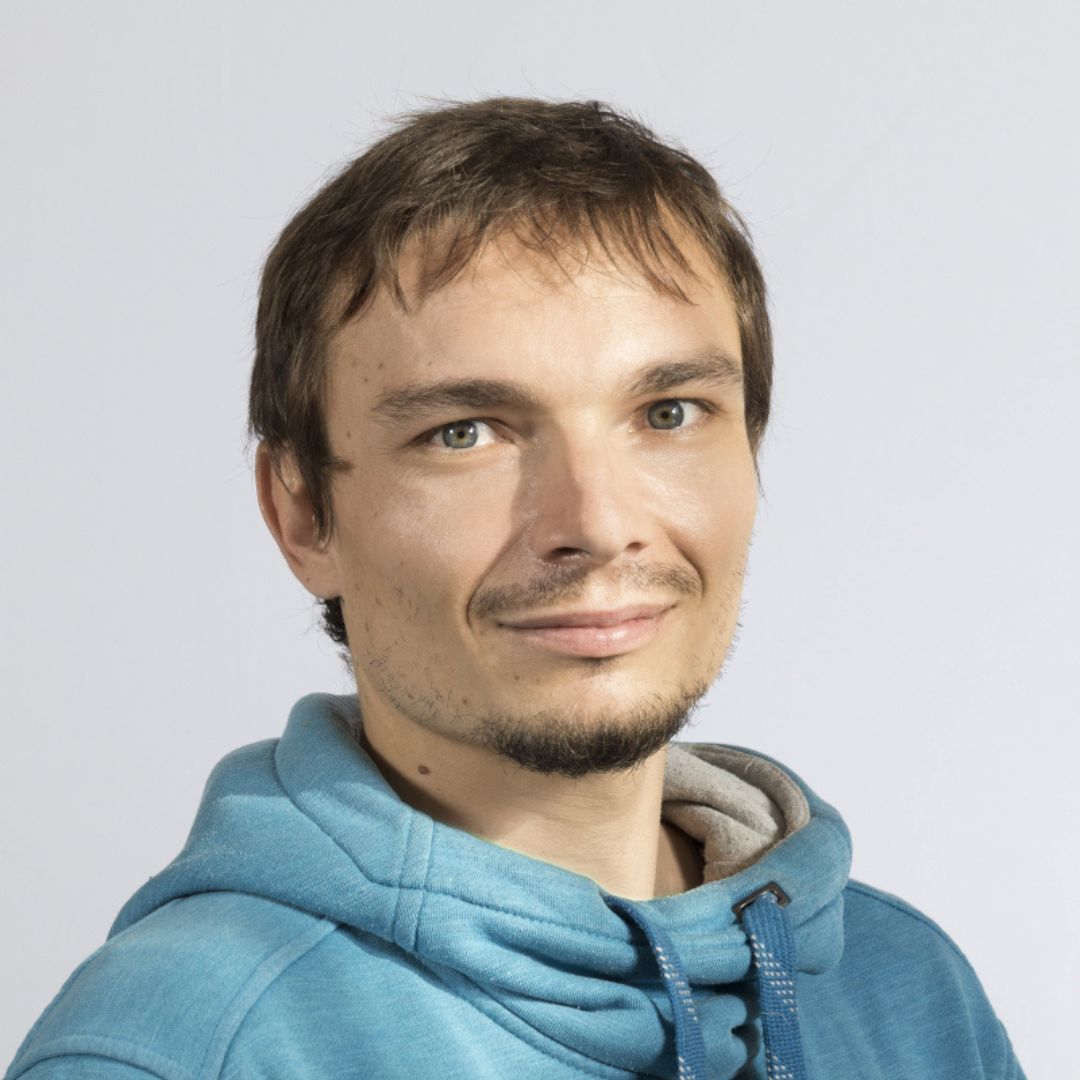
Florent Bouchard Researcher at the CNRS and CentraleSupélec (L2S laboratory)
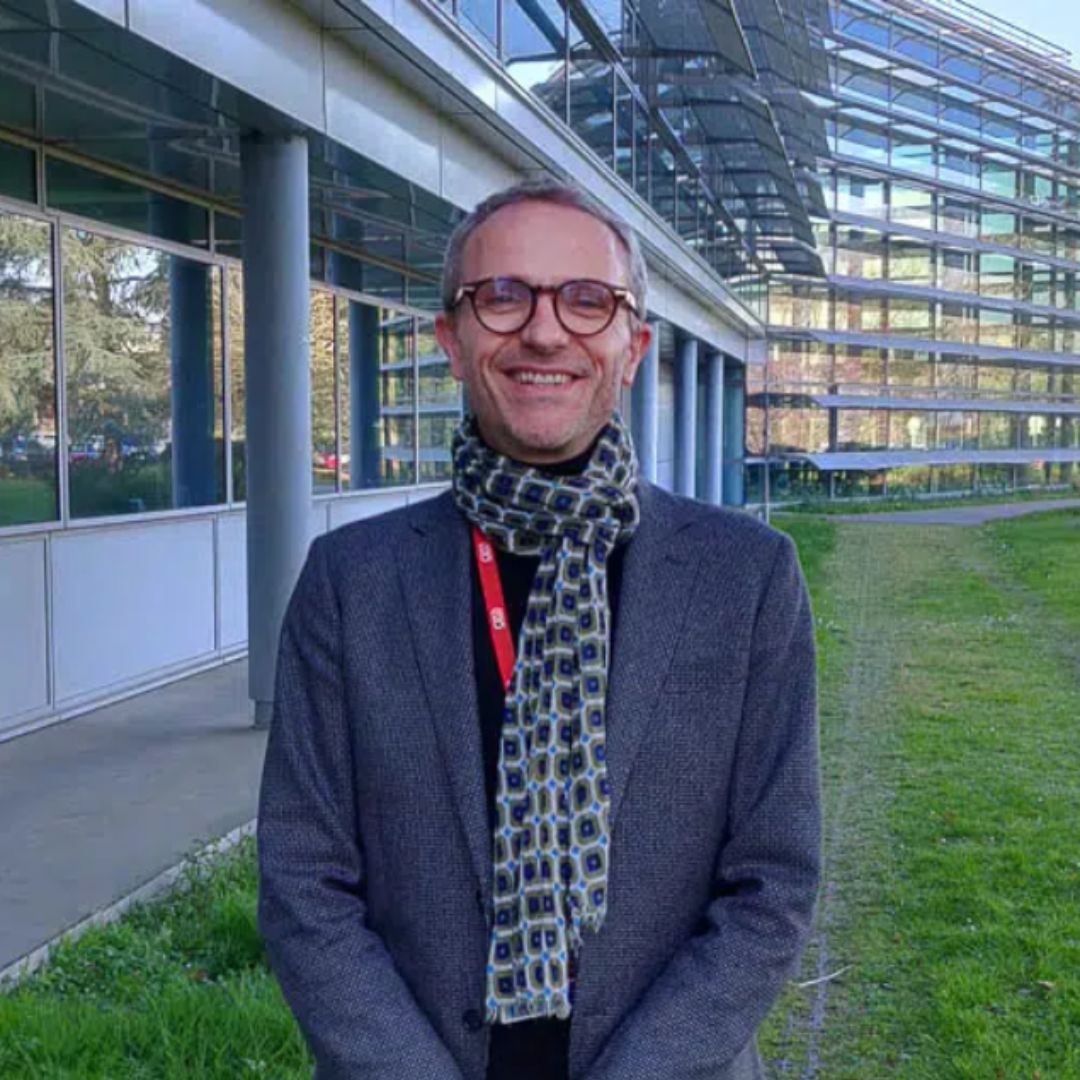
Edouard Duchesnay Research Director at the CEA (NeuroSPIN)
‘Pre-trained models for data frugality’ are artificial intelligence models that have already been trained on large amounts of data and are then adapted to contexts where available data is limited.
They therefore enable good performance to be achieved without the need to collect vast amounts of new data, which is particularly useful in fields such as healthcare or scientific research.
A recurrent challenge in AI for health is the lack of training data. Consequently, simple models, instead of deep architectures, often dominate machine learning for health. The paradox is that we can access abundant medical data from research cohorts or hospitals. But, data aggregation mostly fails: datasets are too heterogeneous with limited interoperability. In addition, only a small subset of individuals is usually relevant to a given health question.
Other fields of data science have seen breakthroughs using large language models or “foundation models” that are pre-trained on large and diverse data and then adapted to small or unlabelled datasets. Our goal is to enable this strategy for medical data: pre-training for few-shot learning.
Notre objectif est de mettre en œuvre cette stratégie pour les données médicales : pré-entraînement pour l'apprentissage en quelques essais (pre-training for few-shot learning).
The project brings together AI experts across statistical learning and clinical applications to lift the roadblocks of data aggregation and pretraining models for medical tasks. The diverse expertise will enable pre-trained models for various medical data modalities, such as electronic health records, neuroimaging or echocardiography, and downstream medical tasks (prognosis, image segmentation, brain-computer interfaces,…).
« Foundation Models: From Theory to Applications »

Olivier Ferret Research Director at CEA-List
Julien Randon-Furling University Professor, ENS Paris-Saclay (Borelli Centre)
Maria Vakalopoulou Lecturer at CentraleSupélec (MICS Laboratory)
‘Foundational models’ are large artificial intelligence models trained on massive volumes of heterogeneous data (text, images, audio, etc.), which can be used for a wide range of tasks such as segmentation, classification, translation, prediction, etc.
They serve as a flexible foundation and can be tailored or adapted to meet specific needs without having to start from scratch.
AI is undergoing a paradigm shift with the rapid rise of models trained on broad data, typically using self supervision at large-scale, that can be adapted to a wide range of downstream tasks. So-called foundation models have led to significant breakthroughs in computer vision and natural language processing (NLP) tasks.
LThe main goal of this chair is to federate world-class research across Paris-Saclay in order to develop the next generation of foundation and giga-generative models – taking a national and international lead, with a focus on applications for medical tasks. The core of the chair will combine expertise in deep learning, diffusion processes, NLP, and medical imaging, building strong synergies along 3 converging axes:
- Theoretical developments.
- Medical image foundation models.
- Natural language foundation models for medical data.
« ATLAS – AI for Teaching and Learning (AI) at Scale »
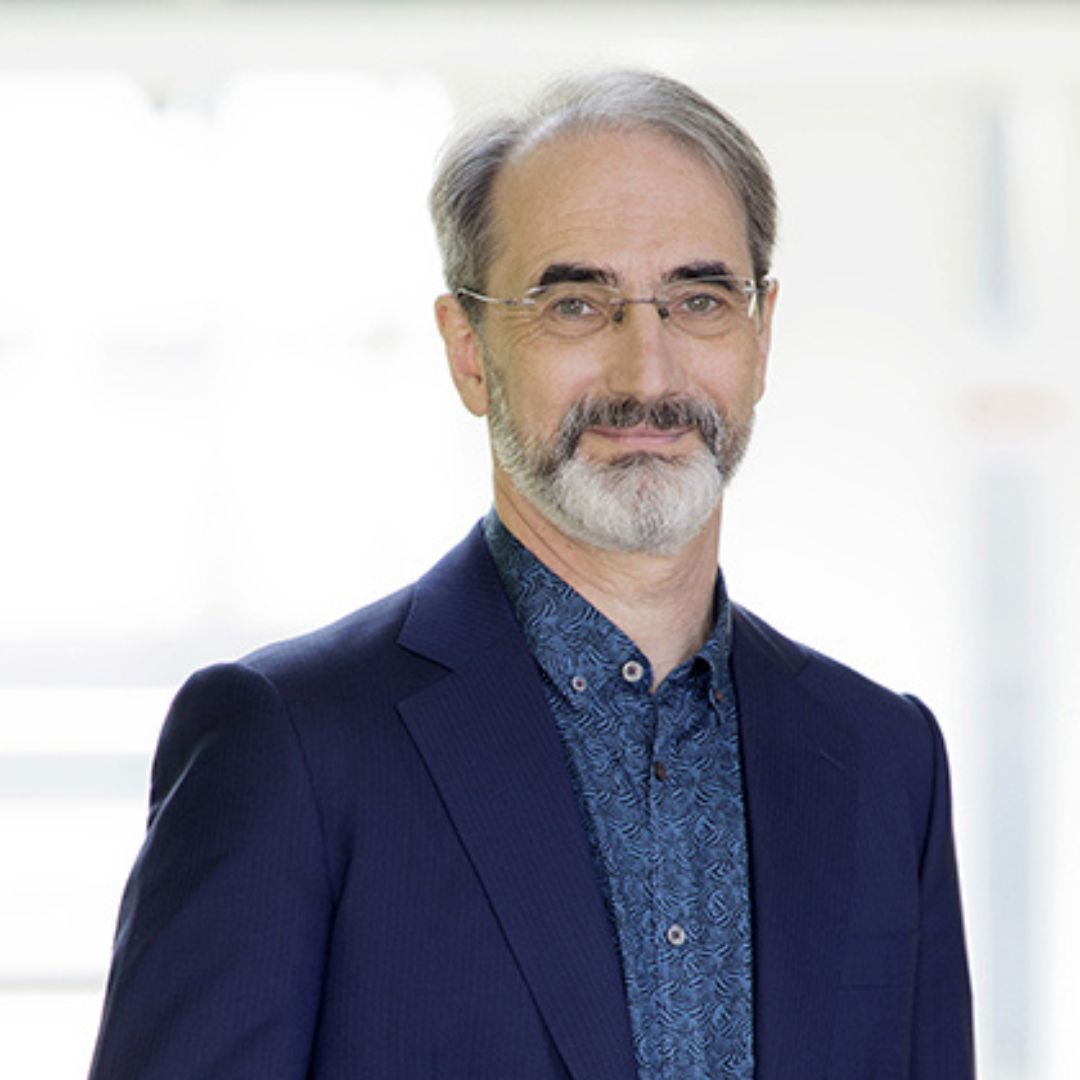
Michel Beaudouin-Lafon University professor, Paris-Saclay University, member of the French Academy of Sciences
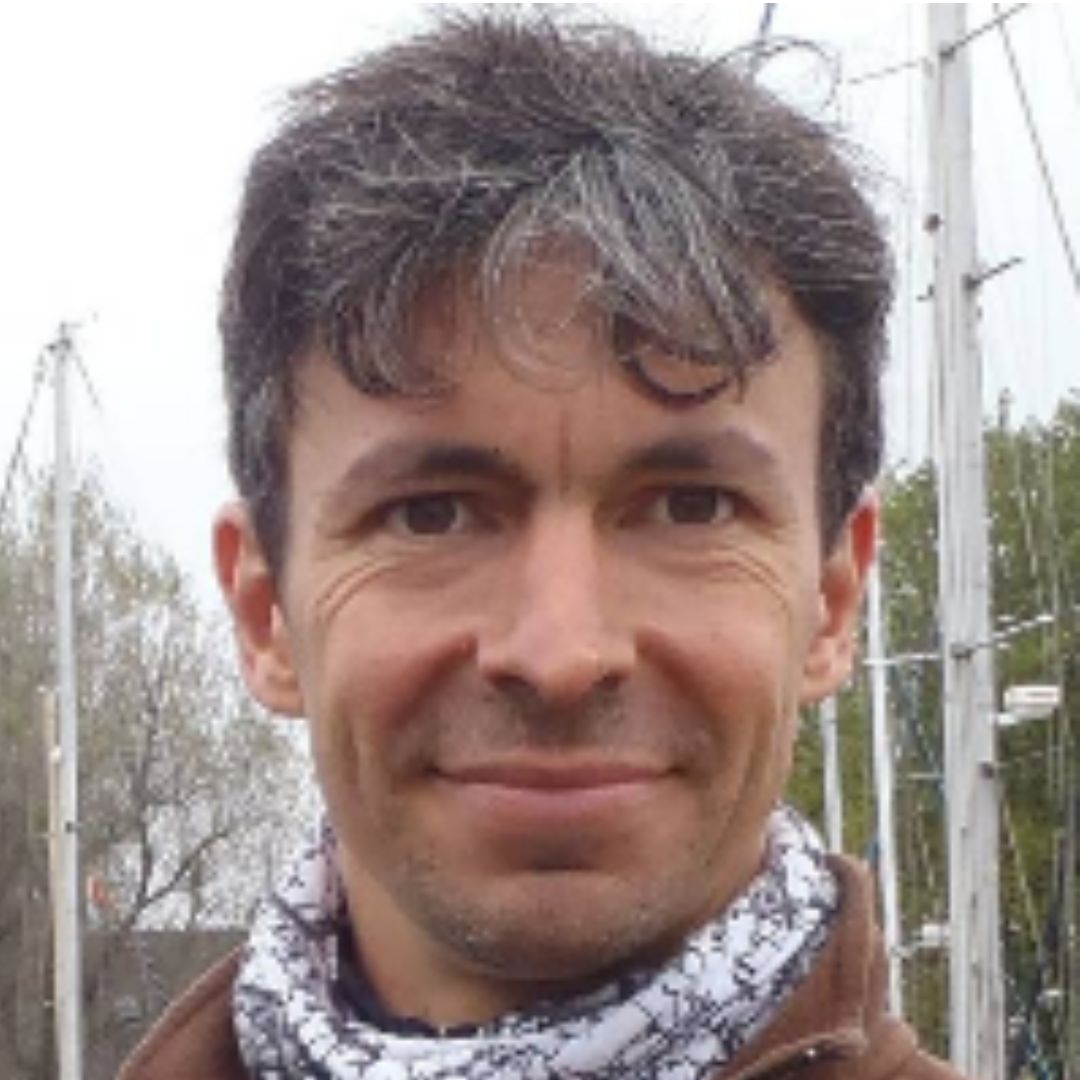
Nicolas Théry University Professor, Paris-Saclay University (LISN laboratory)
Education faces a dual challenge with AI: on the one hand, how to teach AI and computational thinking at scale to train the experts, scientists and citizens that will shape our future; on the other hand, how to integrate AI into teaching and learning practices so that it empowers rather than threaten educators and deskill learners.
This project brings researchers in Human-Centric Design (led by Michel Beaudouin-Lafon) and in adaptive learning (led by Jill-Jênn Vie) together with practioners of teaching large computational classes and deploying tooling and infrastructure (led by Nicolas Thiéry) to explore this dual challenge and its many ramifications. The core strategy will be to setup a tight agile virtuous loop between research, technology and teaching practice: observe and evaluate the needs and practices of both teachers and learners, leverage existing and develop new methodology and technology, deploy on the battle field, evaluate, and inform further research and technology developments.
The work will be conducted in collaboration with international partners such as the KWARC research group at FAU Erlangen-Nürnberg (Germany), the Crowd Research Initiative at Stanford, the NYU-LEARN lab at New York University, and the the Kashima Lab at Kyoto University.
Outcomes will include publications, contributions to existing tools, new tools, training material, and best practices. Success will be measured by evaluation of the relevance and impact on learning (user studies at different scales), publications, adoption of tools, training material and best practices, and assessment of environmental impact.
To do so, please contact us by email: submission-dataia@inria.fr