







DeMythif.AI MSCA COFUND
DeMythif.AI est un programme international de formation doctorale et de développement de carrière porté par l’Université Paris-Saclay. Il réunit 19 partenaires académiques et industriels autour d’un objectif commun : renforcer l’excellence scientifique et accompagner le développement professionnel de 25 doctorants en Île-de-France.
Malgré les performances remarquables de l’intelligence artificielle, la fiabilité de ses décisions reste un enjeu scientifique majeur. Comment évaluer le degré de confiance que l’on peut accorder aux résultats produits par les modèles ? Cette question recouvre des enjeux stratégiques, de l’estimation des incertitudes dans les simulations numériques à l’analyse des réactions des systèmes dans des environnements ouverts.
Mieux prendre en compte les incertitudes, qu’elles concernent les données d’entrée ou les résultats des modèles, est essentiel pour renforcer la confiance dans les applications de l’IA. DeMythif.AI explore ainsi plusieurs approches – modèles fondés sur la physique, edge computing, méthodes frugales en données ou encore interactions humain-machine – et leurs applications dans de nombreux domaines : énergie, adaptation au changement climatique, bio-informatique, ingénierie, sciences fondamentales et science des matériaux.
L’intelligence artificielle est aujourd’hui une technologie omniprésente, en constante évolution, dont les champs d’application ne cessent de s’élargir.
25
Thèses &
Sujets de recherche
18
Pays
représentés
9
Écoles
doctorales
Le programme s’articule autour de 3 axes scientifiques interdisciplinaires
Quantification des incertitudes
Prendre en compte les incertitudes liées aux données et aux modèles, et quantifier celles associées aux prédictions.
Maîtrise de l’explicabilité
Permettre de comprendre et d’expliquer à l’humain les résultats produits par les modèles entraînés, afin d’en renforcer la confiance.
Encourager la frugalité
Réduire les besoins en données annotées et en énergie nécessaires à l’entraînement des modèles, afin de favoriser le développement d’applications concrètes, au-delà des simples preuves de concept.
Les doctorants bénéficieront de programmes scientifiques d’excellence, d’un encadrement de qualité et de périodes d’immersion en entreprise. Ils profiteront également d’un accompagnement personnalisé dans leur développement professionnel et de formations aux compétences transversales : relations interpersonnelles, communication, numérique, entrepreneuriat, science ouverte, égalité de genre et éthique.
Partenaires du programme



Partenaires associés










La force de DeMythif.AI réside dans la diversité de ses partenaires, qui permet d’adapter au mieux l’accompagnement proposé aux doctorants, notamment dans la perspective de leur développement professionnel. Cette diversité favorise également la mise en place de collaborations de recherche dynamiques et le développement de synergies fortes entre les communautés académiques et industrielles, ouvrant ainsi de nouvelles perspectives au-delà du projet.
DeMythif.AI bénéficie d’un soutien majeur de l’Institut DataIA Paris-Saclay, de l’Union européenne et des Actions Marie Skłodowska-Curie (MSCA). Au-delà du financement européen qu’elles apportent, les MSCA constituent également un véritable label d’excellence.

Rencontrez les doctorants!

Guillermo Martin
Laboratoire Méthodes Formelles (LMF)
Research summary
Guillermo's research studies communication and cooperation in multi-agent systems under uncertainty and strategic incentives. He investigates when communication supports coordination, when it becomes misleading or exploitable, and how to design mechanisms that make agent interactions more reliable.
Bio
Guillermo is a PhD candidate at ENS Paris-Saclay and the International Laboratory on Learning Systems, associated with Mila - Quebec AI Institute and ÉTS Montréal. Before starting his PhD, he completed an MSc in Mathematical Sciences at the University of Oxford.
Tristan Leuridan
Laboratoire Génie Industriel (LGI)
Bio
Tristan Leuridan is a PhD candidate at the Laboratoire Génie Industriel of CentraleSupélec, supervised by Yiping Fang and Adam Abdin. He holds a Bachelor's in Mechanical Engineering from the University of Southampton and an MSc in Aerospace Engineering from Imperial College London. Before his PhD, he worked as a ground-station operator at the DLR (German Aerospace Center).
Ali Rida Sahili
Informatique, BioInformatique, Systèmes Complexes (IBISC)
Research summary
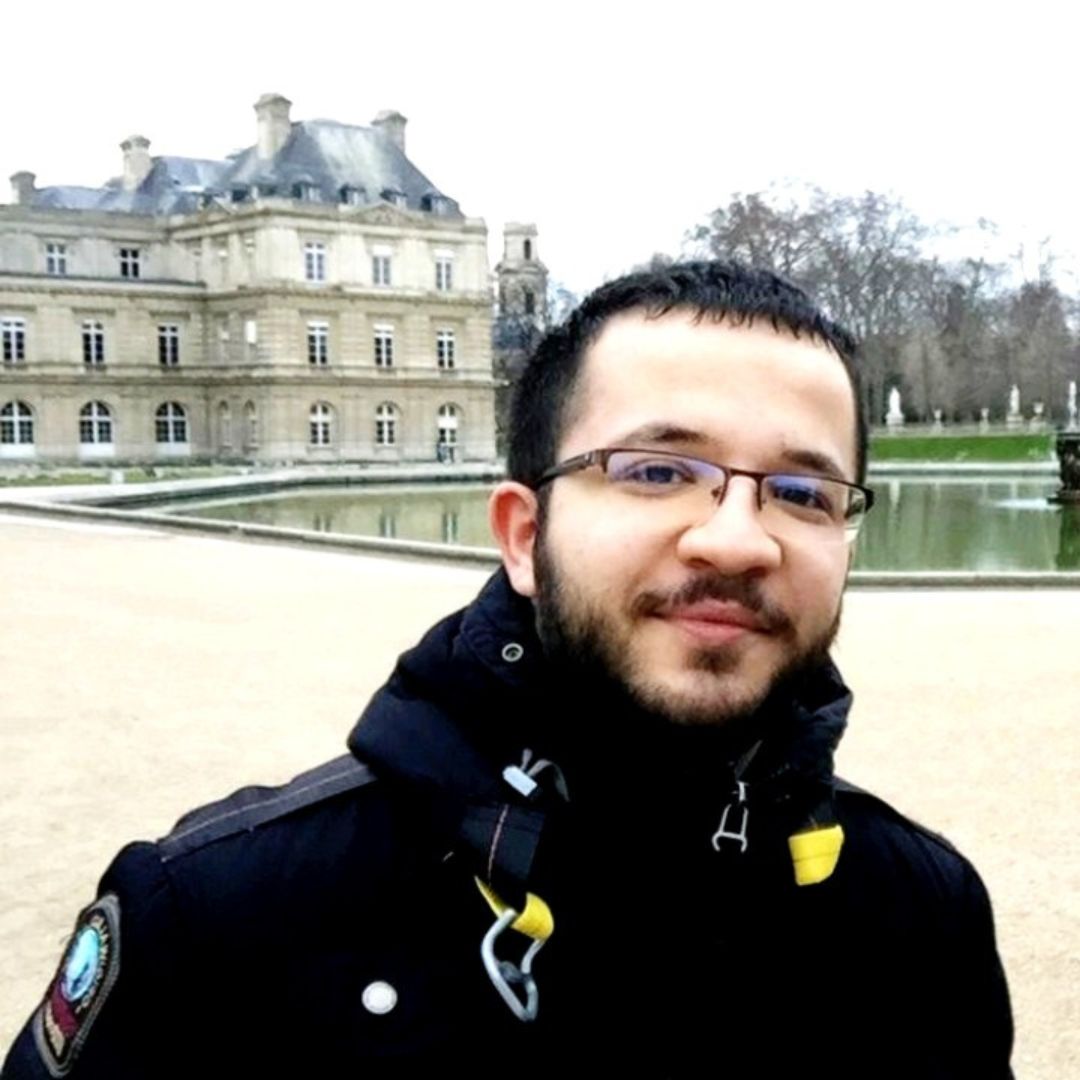
Ali's PhD develops AI models that generate high-quality 3D human animation from text prompts, making animation production accessible beyond studios with motion-capture equipment. His approach uses VAE-based, diffusion-based and hybrid methods with 3D Gaussian Splatting as the motion representation.
Bio
Ali Rida Sahili is a PhD candidate from Lebanon at the IBISC Laboratory, University of Évry Paris-Saclay. His doctoral research is co-funded by Magic Factory, a startup specialising in metaverse technologies. He previously earned a Master's from ENS Paris-Saclay in Mathematics, Machine Learning, and Computer Vision.
Quoc-Duong Nguyen
Laboratoire des Signaux et Systèmes (L2S)
Research summary
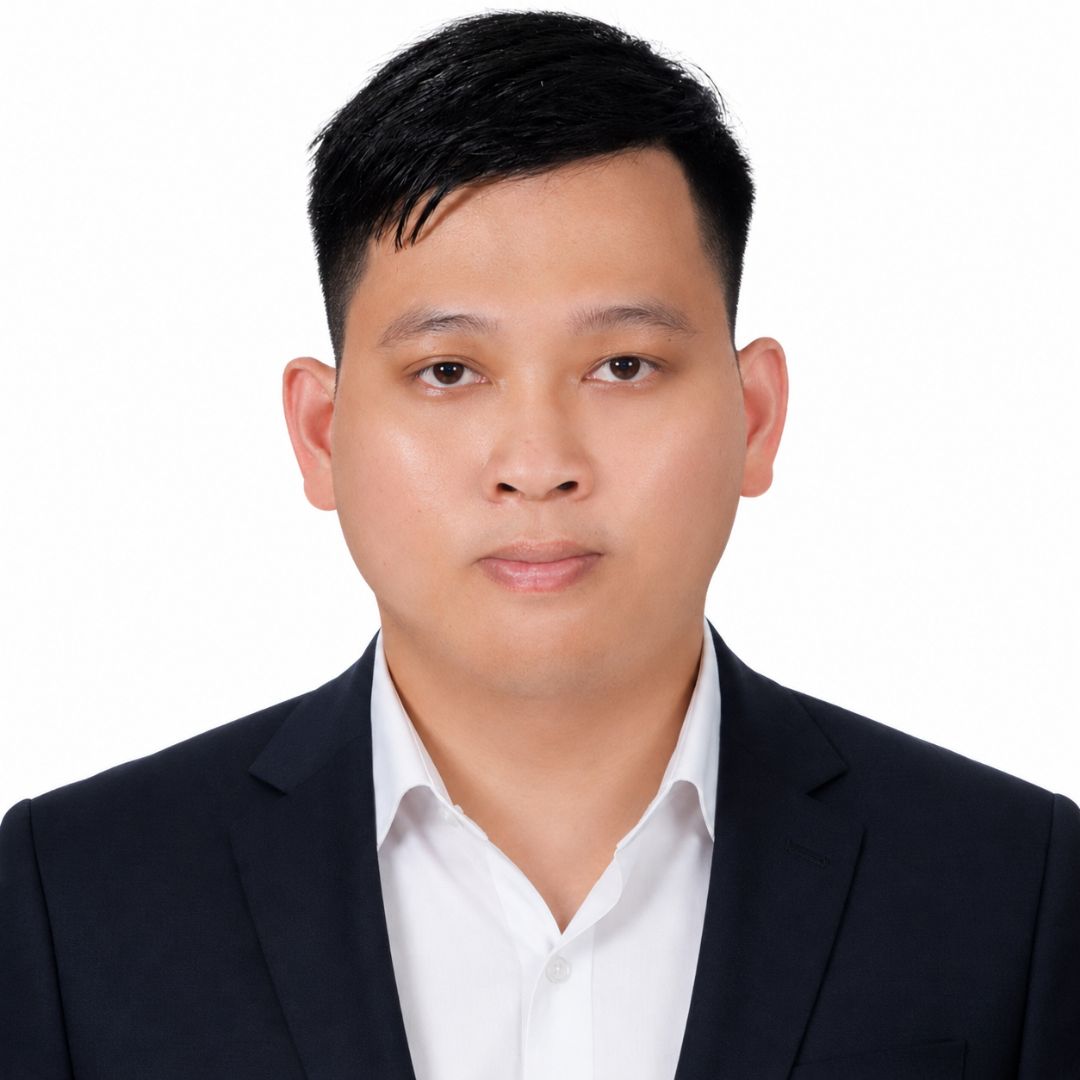
Quoc-Duong's PhD develops climate downscaling methods using generative models, transforming coarse global climate model outputs into fine-scale local projections for agriculture, urban planning and disaster management. His approach combines model-based statistical methods with modern machine learning, improving predictive performance while keeping models interpretable.
Bio
Quoc-Duong Nguyen is a PhD candidate from Vietnam at L2S, supervised by Mohammed Nabil El Korso and colleagues. He received his Master's in Applied Data Science from Quy Nhon University, graduating as valedictorian, and was selected for the France Excellence Eiffel Scholarship in 2025.
Adil Zomahoun
Laboratoire des Signaux et Systèmes (L2S)
Research summary
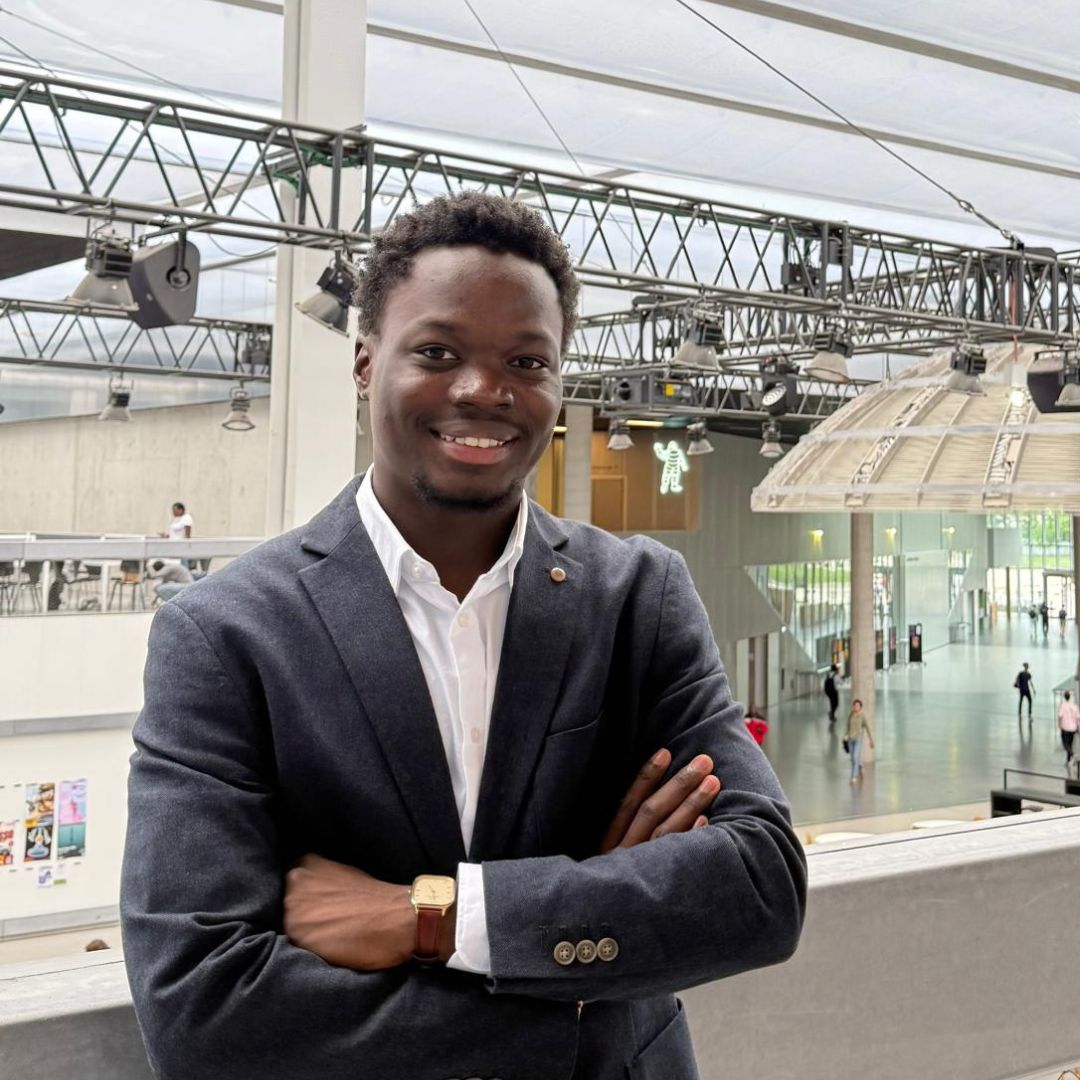
Adil's PhD develops accelerated diffusion processes for uncertainty quantification in image reconstruction, using low-rank models and Bayesian frameworks to tackle ill-posed inverse problems such as those arising in MRI and interferometry.
Bio
Adil Zomahoun is a PhD student from Benin at L2S, supervised by François Orieux and Jérôme Idier. He graduated from the École Centrale Casablanca and has prior experience in data analysis, LLM-based legal search automation, and applied AI research at CEA-ISEC.
Lorenzo Mensi
Laboratoire Interdisciplinaire des Sciences du Numérique (LISN)
Research summary
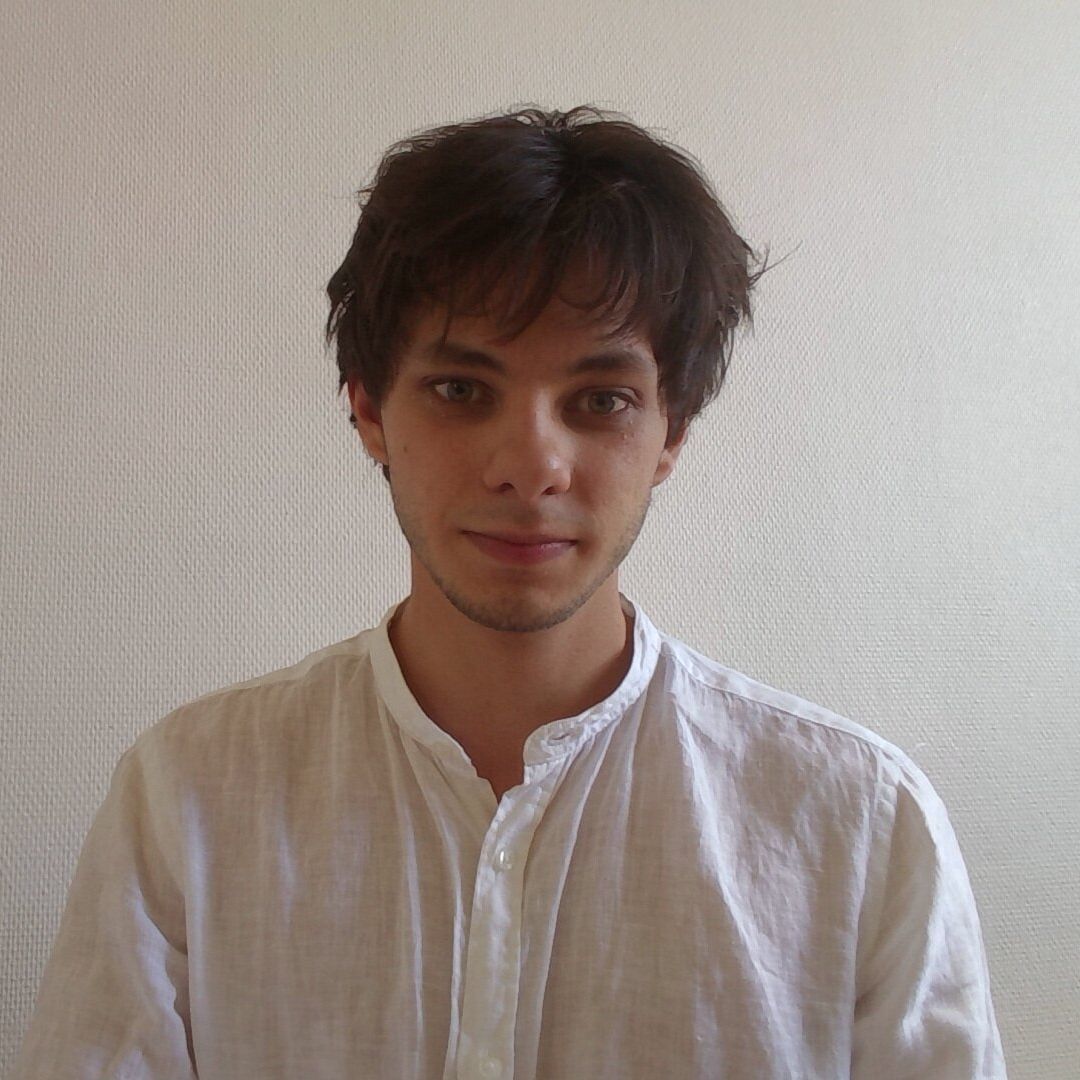
Lorenzo's PhD develops neural network methods for learning causal relationships in complex, nonlinear, non-Markovian systems, using autoencoders to find coordinate transformations where nonlinear stochastic processes become linear in latent space.
Bio
Lorenzo Mensi is a PhD candidate from Italy at LISN, supervised by Sergio Chibbaro and Cyril Furtlerhner. He trained as a physicist at the University of Bologna, then at Politecnico di Torino and Université Paris-Saclay in Physics of Complex Systems.
Raffael Schoen
ONERA
Research summary
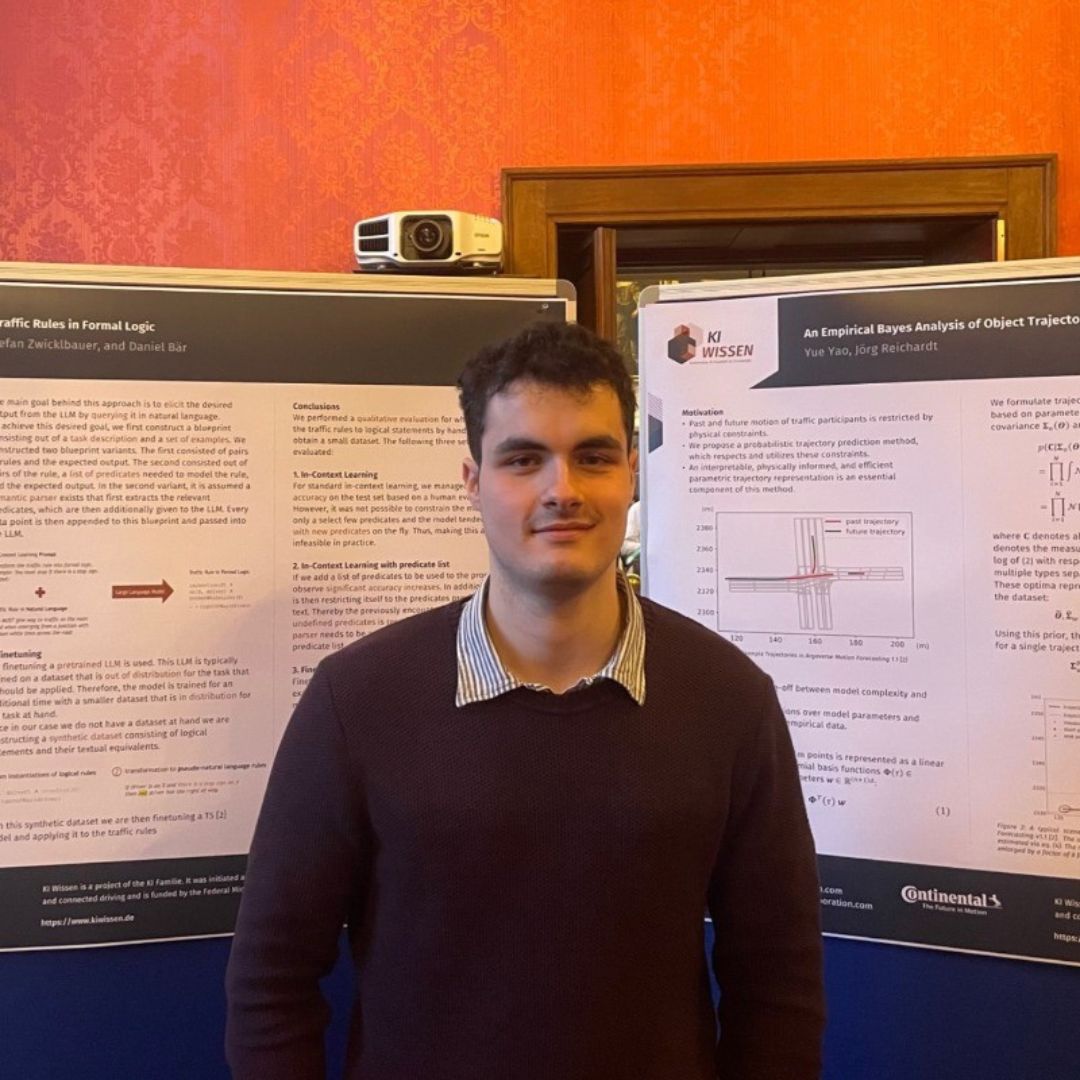
Raffael's PhD targets object detection with design-explainable models, focusing on Concept Bottleneck Models (CBMs). He introduced the Irrelevant Concept Contribution (ICC) metric to detect and quantify information leakage, preserving accuracy while reducing it.
Bio
Raffael Schoen is a PhD candidate from Germany at ONERA, supervised by Stéphane Herbin and Baptiste Abeloos. He trained in Business Administration and Business Informatics, with prior experience in software engineering at Deloitte, EY, NLP at Continental AG, and AI engineering.
Jinu Raj
CEA Département de Physique des Particules (DPhP)
Bio
Jinu Raj is a PhD candidate from India at CEA Paris-Saclay (DPhP), supervised by Frédéric Deliot in the ATLAS group. He completed an Integrated Master of Science in Physics at the Central University of Tamil Nadu. He has held research positions at INFN Bologna and INFN Padova, working on unsupervised learning for particle-trajectory identification.
Pietro Albanese Guidi
Institut d'Astrophysique Spatiale (IAS)
Research summary
Pietro's PhD uses machine learning to study the Epoch of Reionisation, developing inference frameworks that exploit full simulated 21cm-signal maps rather than summary statistics, in preparation for the Square Kilometre Array data.
Bio
Pietro Albanese Guidi trained at the University of Groningen (BSc Physics) and ETH Zürich (MSc Astrophysics), with research internships at ENS Paris and the Max Planck Institute for Astrophysics. He is now a PhD candidate at the Institut d'Astrophysique Spatiale.
Hoàng Quân Pham
Laboratoire de Mécanique Paris-Saclay (LMPS)
Research summary
Quân's PhD builds an interpretable, real-time digital twin of a patient's heart, coupling the modified Constitutive Relation Error concept with Kolmogorov-Arnold networks inside an Isogeometric Analysis framework to support personalised cardiac care.
Bio
Hoàng Quân Pham is a PhD candidate from Vietnam at LMPS, supervised by Cuong Ha-Minh. He holds an EUR-ACE Master's from the Hanoi University of Science and Technology, with an Erasmus+ exchange to the University of Ruse in Bulgaria.
Marouane Hadj-Ali
Systèmes et Applications des Technologies de l'Information et de l'Energie (SATIE)
Research summary
Marouane's PhD focuses on detecting out-of-distribution data in multi-label classification systems for non-destructive artwork analysis. He introduced HiPOOD, a zero-shot hierarchical detector accepted at IEEE ICIP 2026.
Bio
Marouane Hadj-Ali is a PhD candidate from Algeria at SATIE, supervised by Florence Alberge. He earned a Master's in Data Science at Université Paris-Saclay, with prior experience in computer vision, NLP, and image super-resolution.
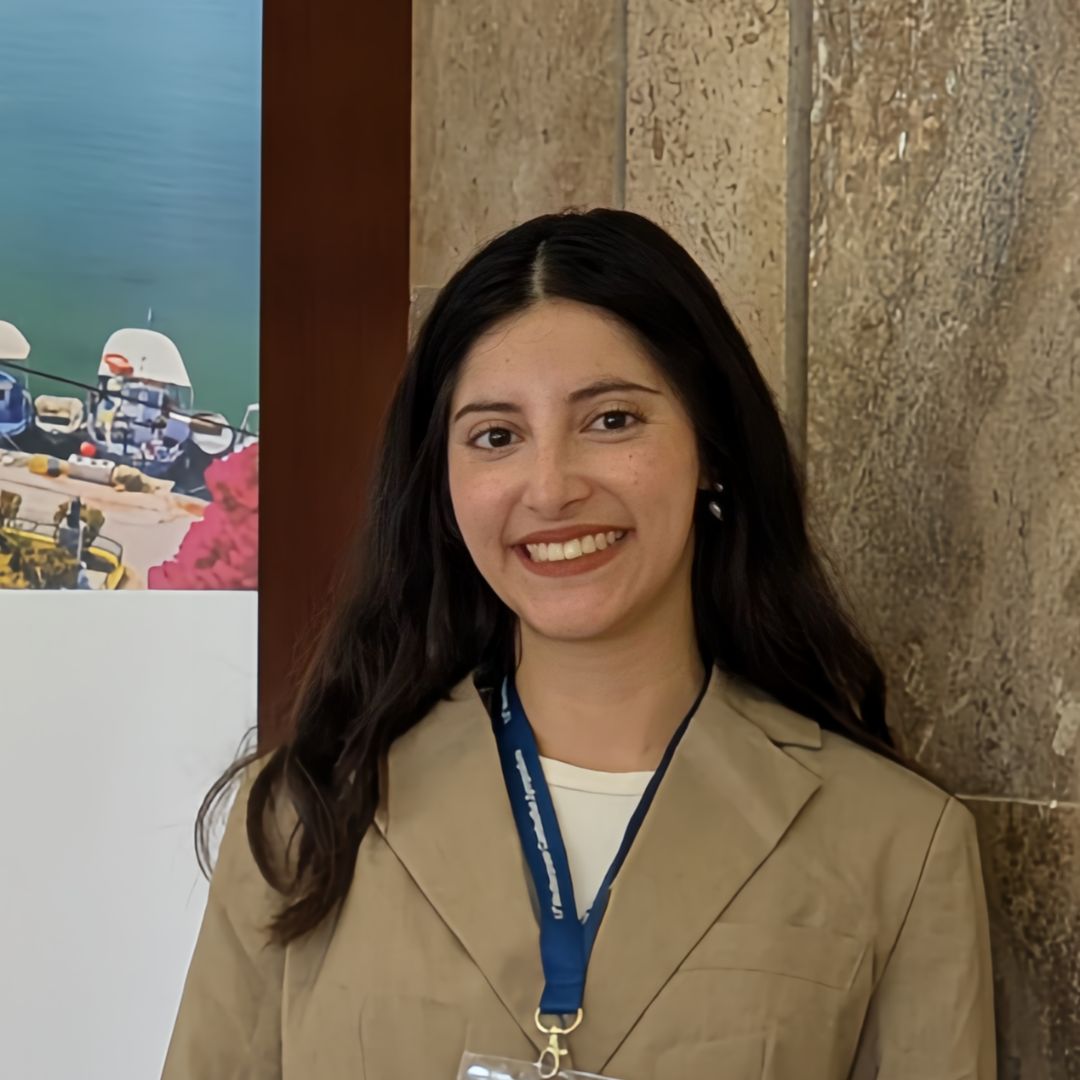
Constanza Lopez Lozano
Energétique Moléculaire et Macroscopique, Combustion (EM2C)
Research summary
Constanza's PhD develops physics-informed reduced-order models for digital twins of sustainable combustion systems, combining uncertainty quantification and data assimilation to predict and explain flame transitions in aeronautical combustors.
Bio
Constanza Lopez is a PhD candidate from Chile at EM2C, supervised by Bérengère Podvin and Salvatore Iavarone. She holds a Bachelor's and Master's in Industrial Engineering from Universidad Técnica Federico Santa María.
Jiarong Fan
Laboratoire de Mathématiques et Modélisation d'Évry (LaMME)
Research summary
Jiarong's research focuses on conformal prediction for machine learning models handling missing data. He developed a mask-conditional method accepted at AISTATS 2026, with applications to streamflow forecasting at monitored and ungauged river stations.
Bio
Jiarong Fan is a PhD candidate from China at LaMME. He holds a BSc in Mathematics from Beihang University, a double Master's in Engineering, and an M2 in Probability and Finance from Sorbonne University. He previously worked as a data scientist at China Merchants Bank.
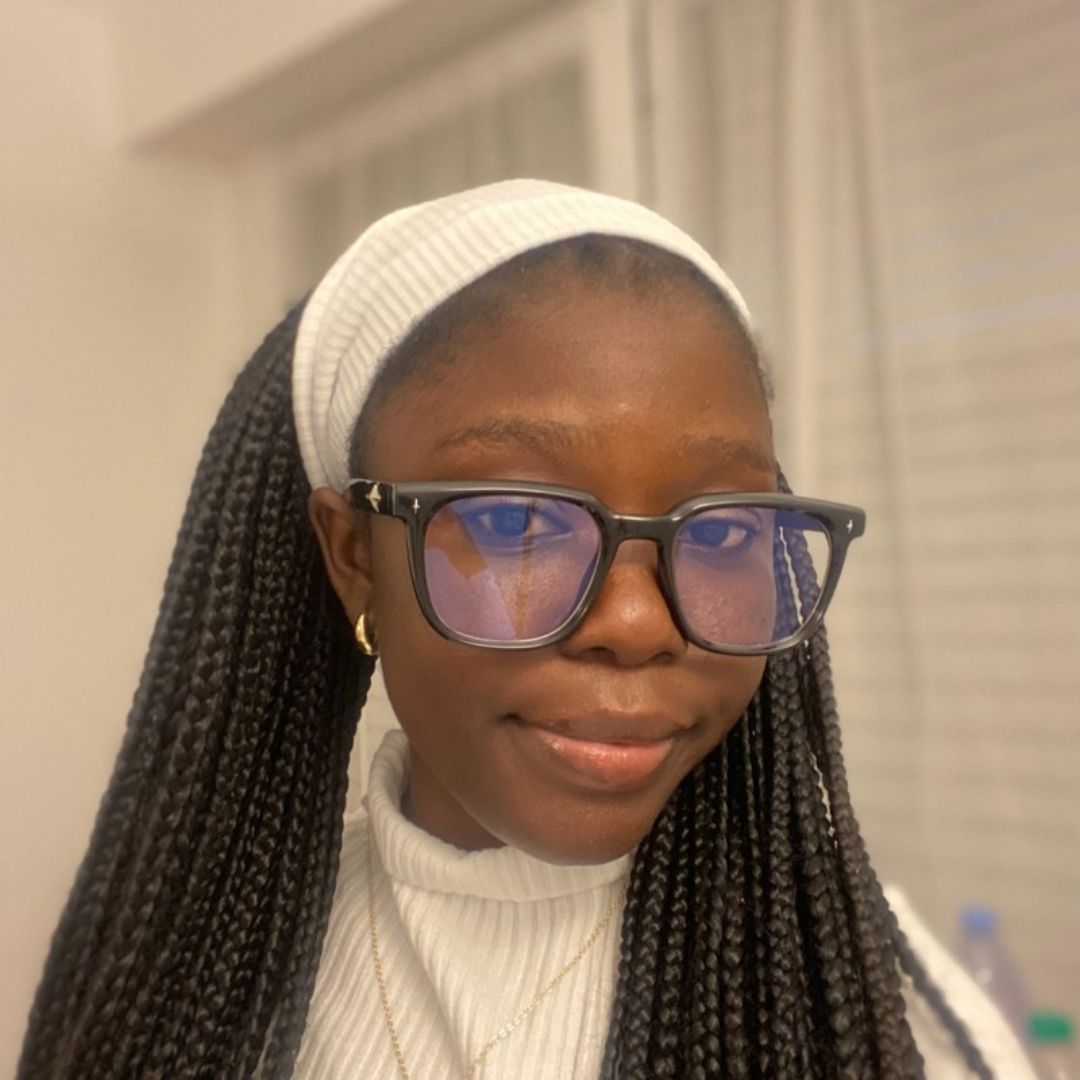
Harlette Denebeye
Centre National de Recherche en Génomique Humaine (CNRGH)
Research summary
Harlette's PhD develops methods to integrate trustworthy AI into clinical decision-making for patient profiling from heterogeneous healthcare data such as genomics and imaging, focusing on multimodal learning, interpretability and robustness.
Bio
Harlette Denebeye is a PhD candidate from Chad at CEA-CNRGH. She holds a BSc in Computer Science from the University of Yaoundé I and was awarded a Google DeepMind Scholarship for her Master's in AI for Science at AIMS, South Africa.
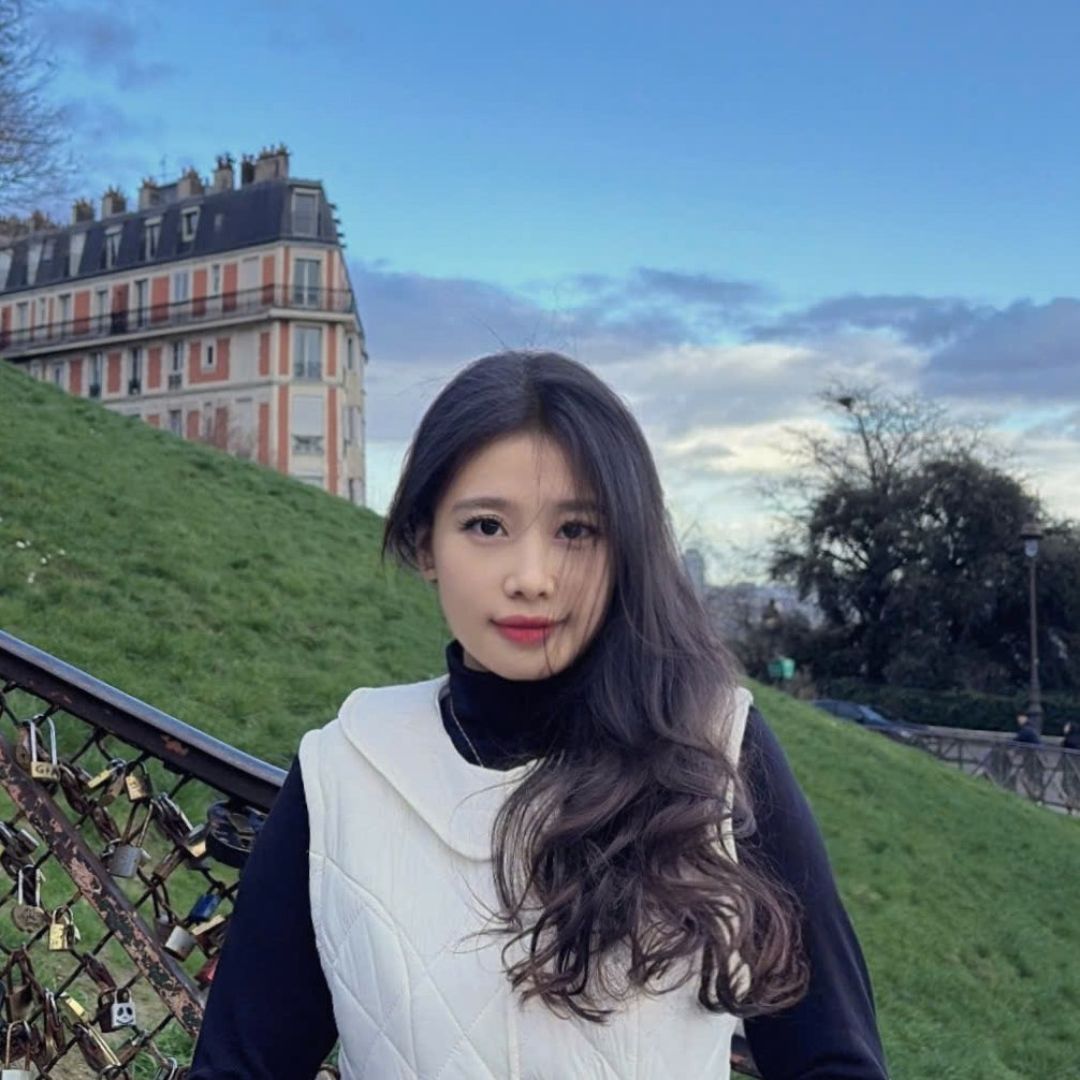
Thi Minh Lien Le
Laboratoire de Génie Electrique et Electronique de Paris (GeePs)
Research summary
Minh Lien's PhD develops physics-informed machine learning models, including PINNs, to accelerate dynamic power-system simulations while maintaining accuracy, addressing the growing complexity brought by renewable energy sources.
Bio
Thi Minh Lien Le is a PhD candidate from Vietnam at GeePs, supervised by Philippe Dessante and Trung-Dung Le. She graduated in the top 5% of her department from HUST and received the Best Thesis Award in two consecutive years (2023 and 2024).
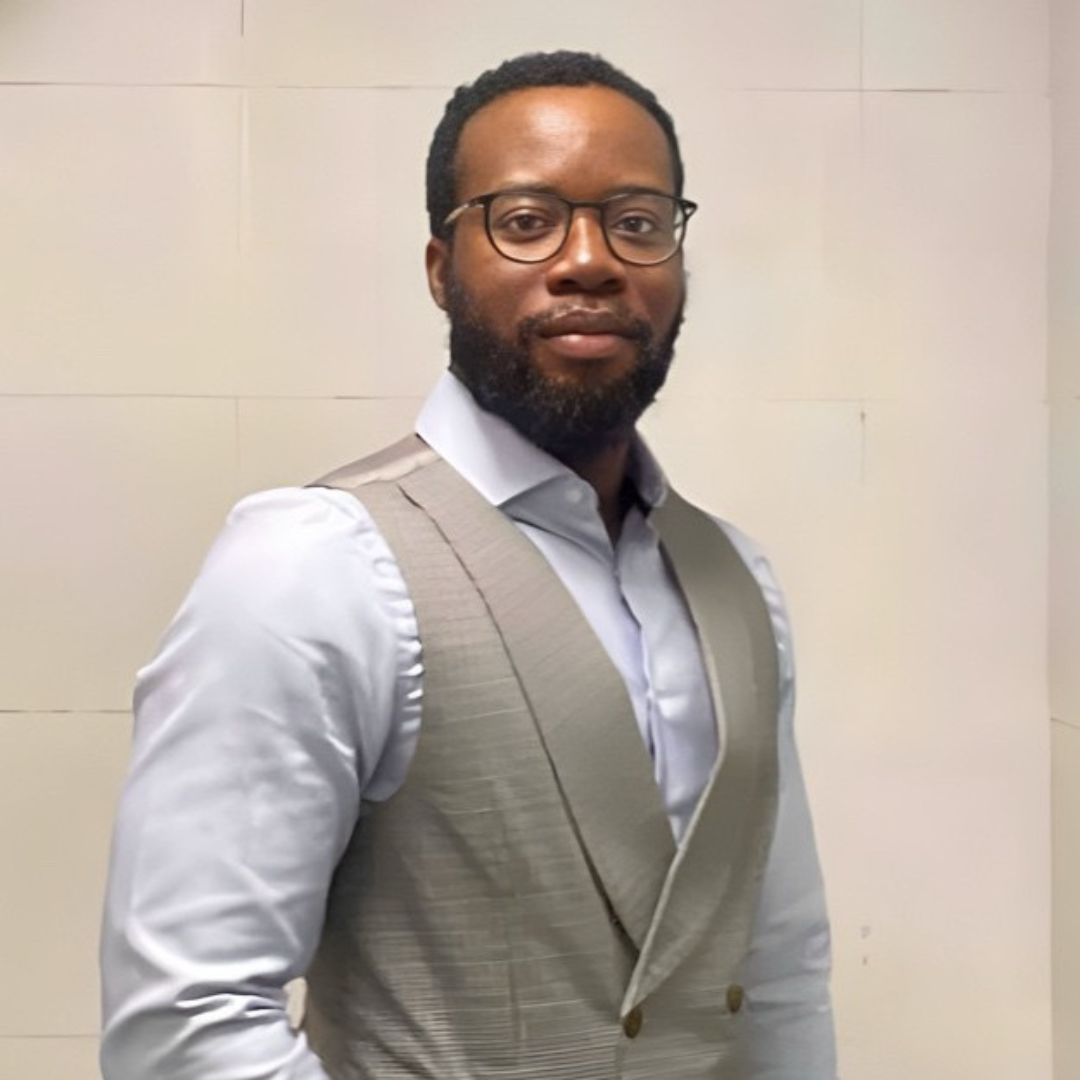
Yvon Apedo
Informatique, BioInformatique, Systèmes Complexes (IBISC)
Research summary
Yvon's PhD develops lightweight Vision-Language Models (VLMs) and Vision-Language-Action (VLA) models for resource-constrained embedded devices, combining compression, efficient fine-tuning and runtime optimisations.
Bio
Yvon Apedo is a PhD candidate from Togo at IBISC and CEA LIAE. He holds a Master's in Computer Science from Northwestern Polytechnical University. His prior research covered Transformers, weakly-supervised crack segmentation and unsupervised domain adaptation.
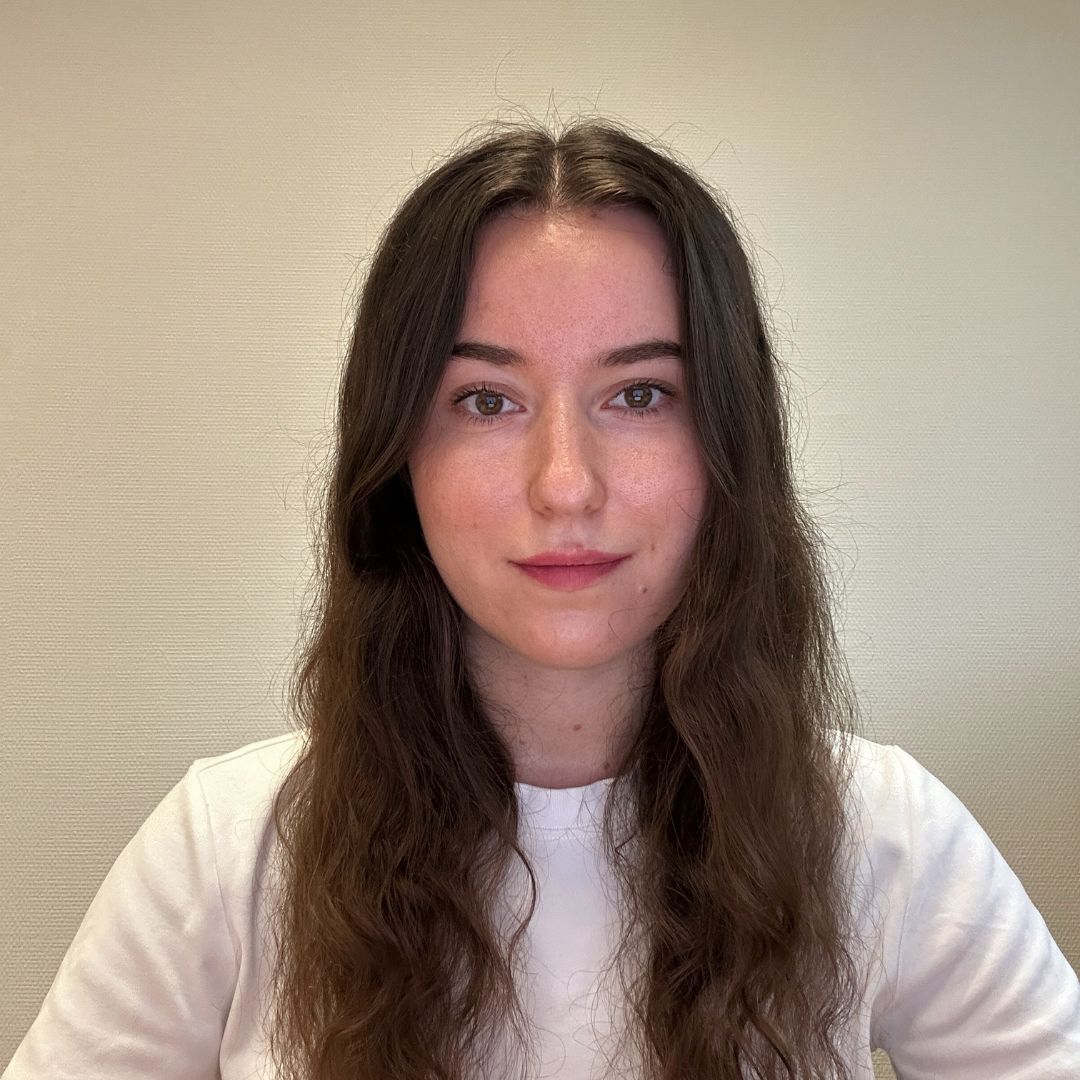
Yuliia Maidannyk
CEA Département de Physique des Particules (DPhP)
Research summary
Yuliia's PhD develops a transformer-based photon reconstruction algorithm for the CMS detector at the LHC, substantially improving upon the traditional algorithm in complex topologies while integrating high-precision timing from the new MTD detector.
Bio
Yuliia Maidannyk is a PhD candidate at CEA Paris-Saclay (DPhP), supervised by Fabrice Couderc and Özgür Sahin in the CMS group. She holds an MSc in Physics from ETH Zurich and a BSc in Physics with Theoretical Physics from the University of Manchester.
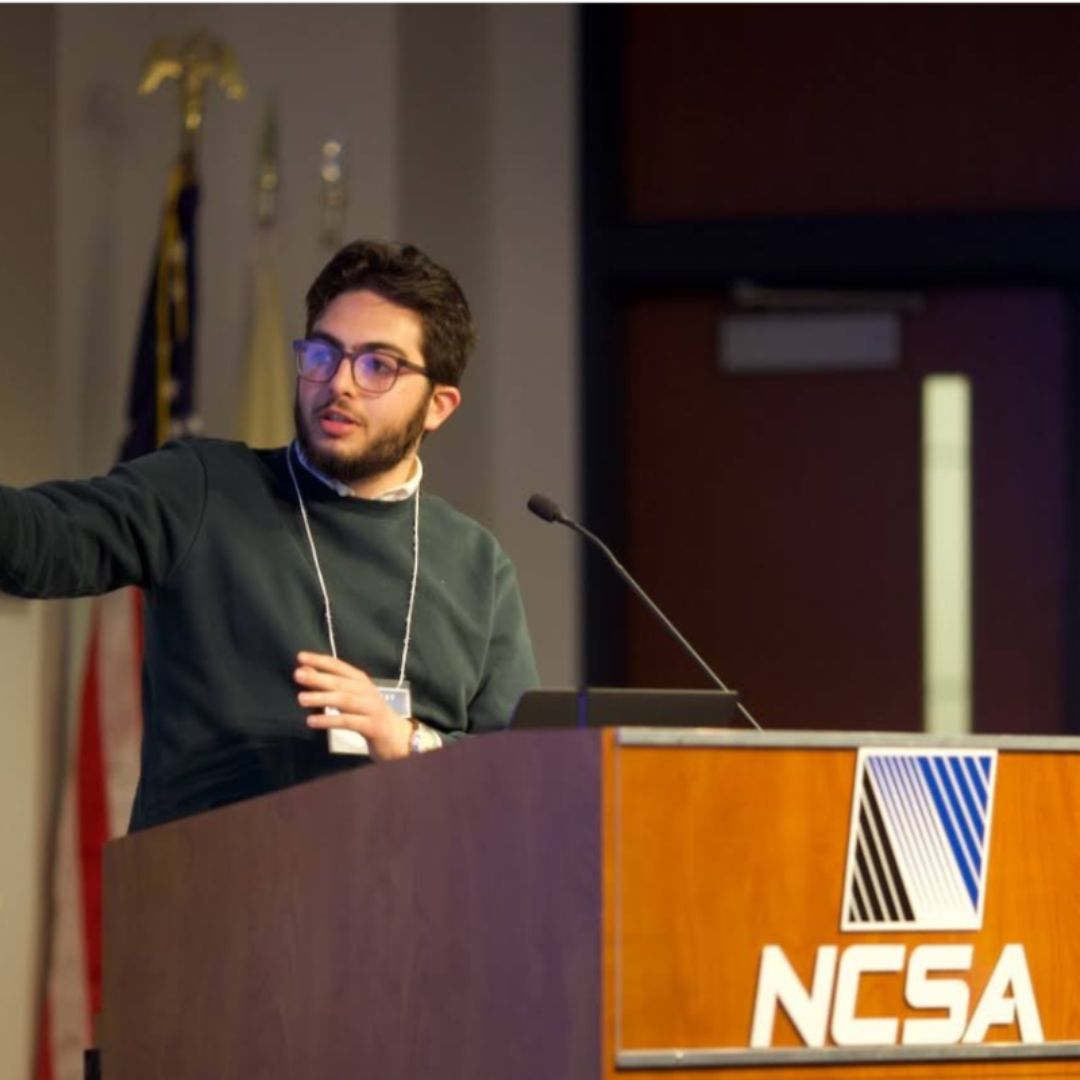
Sammy Sharief
CEA Astrophysique Instrumentation Modélisation (AIM)
Research summary
Sammy's PhD develops generative AI methods for robust uncertainty quantification in astrophysical inverse problems, focusing on strong gravitational lensing and building a full Bayesian framework combining physics-constrained likelihoods with generative priors.
Bio
Sammy Sharief is a PhD candidate at AIM, supervised by François Lanusse, Tobias Liaudat, and Samuel Farrens. He holds a BSc in Computer Science and Astronomy from UIUC and a Master's in Computer Science from Université de Montréal. He is also affiliated with MILA.
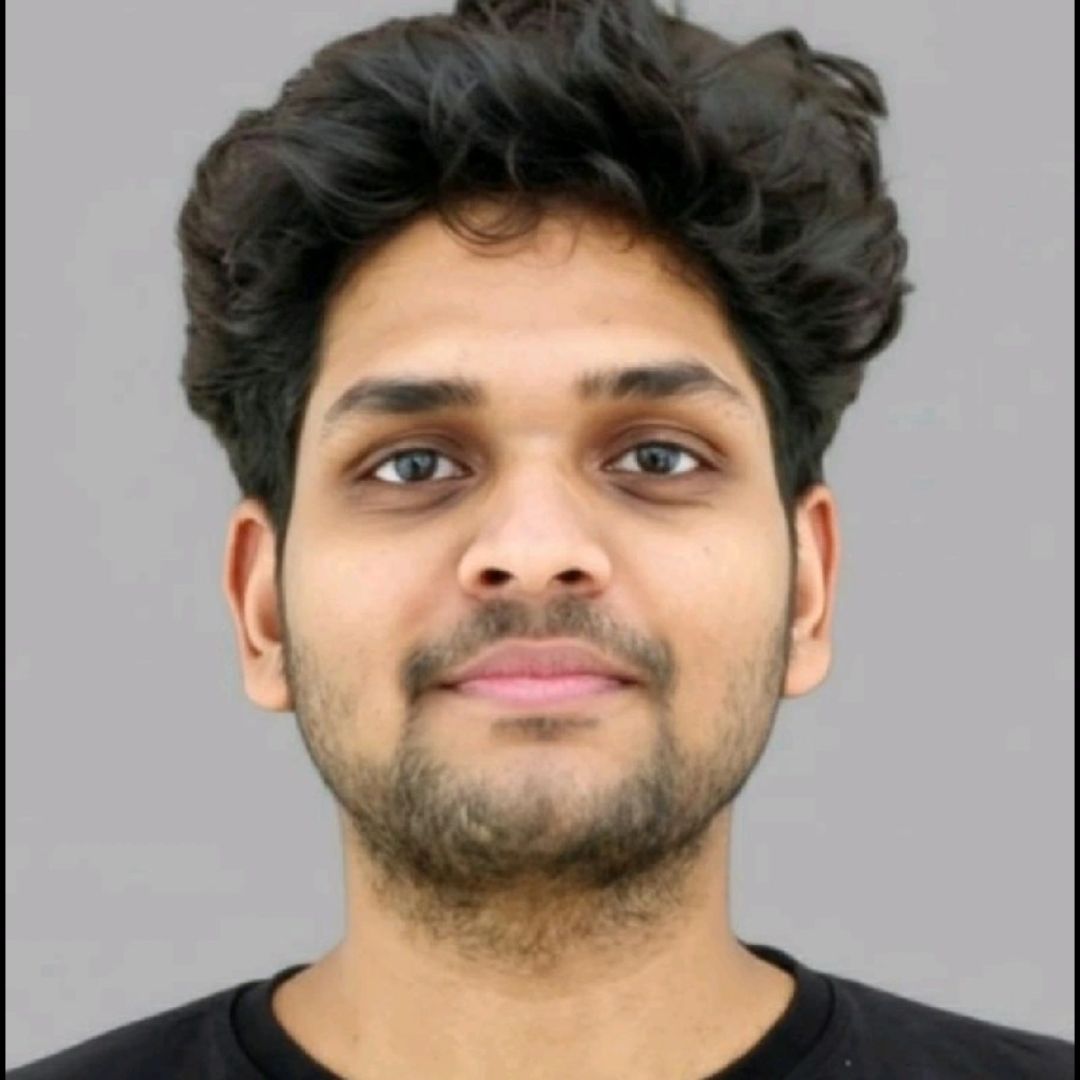
Nived Puthumana Meleppattu
Laboratoire de Physique des deux Infinis Irène Joliot-Curie (IJCLab)
Research summary
Nived's PhD develops the ML reconstruction pipeline for the DUNE liquid-argon time-projection chamber, using U-ResNet segmentation, point-proposal networks and graph neural networks to turn raw 3D detector hits into labelled particles.
Bio
Nived Puthumana Meleppattu is a PhD candidate from India at IJCLab, supervised by Yoann Kermaïdic in the DUNE group. He holds a Master's in High-Energy Physics from ETH Zurich and IP Paris, with prior research on T2K and CMS experiments.
Laurent Brock
Laboratoire d'Imagerie Biomédicale Multimodale Paris-Saclay
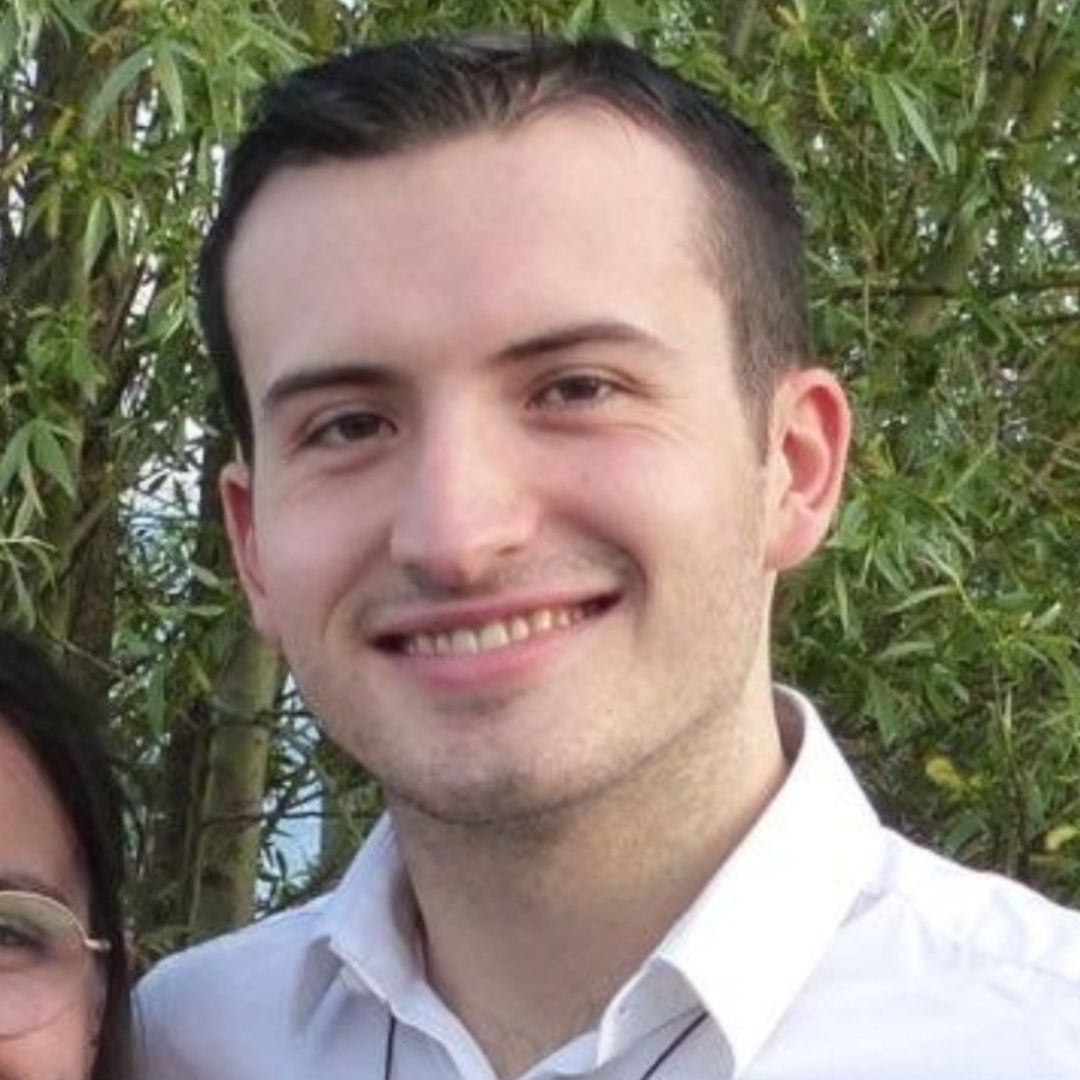
Research summary
Laurent's PhD develops explainable deep learning methods for dynamic MRI reconstruction, exploring physics-informed neural networks and neural operators to accelerate acquisition while maintaining diagnostic image quality and clinician trust.
Bio
Laurent Brock is a life-sciences engineer from EPFL (Bachelor's and Master's). His Master's thesis was carried out at Harvard Medical School's Nezami Lab. Earlier projects included clinical data processing software and batch-effect correction in single-cell sequencing at EPFL's Courtine Lab.
David Restrepo
Mathématiques et Informatique pour la Complexité et les Systèmes (MICS)
Mohamed Boukaf
INRIA
Diego Olguin
CEA NeuroSpin, GAIA laboratory
Elham Rostami
CIAMS (Centre INRIA Saclay - Île-de-France)
Somanko Saha
CEA Département de Physique des Particules (DPhP)
Le programme COFUND DeMythif.AI est rendu possible grâce à l’implication d’une équipe composée de plusieurs membres :
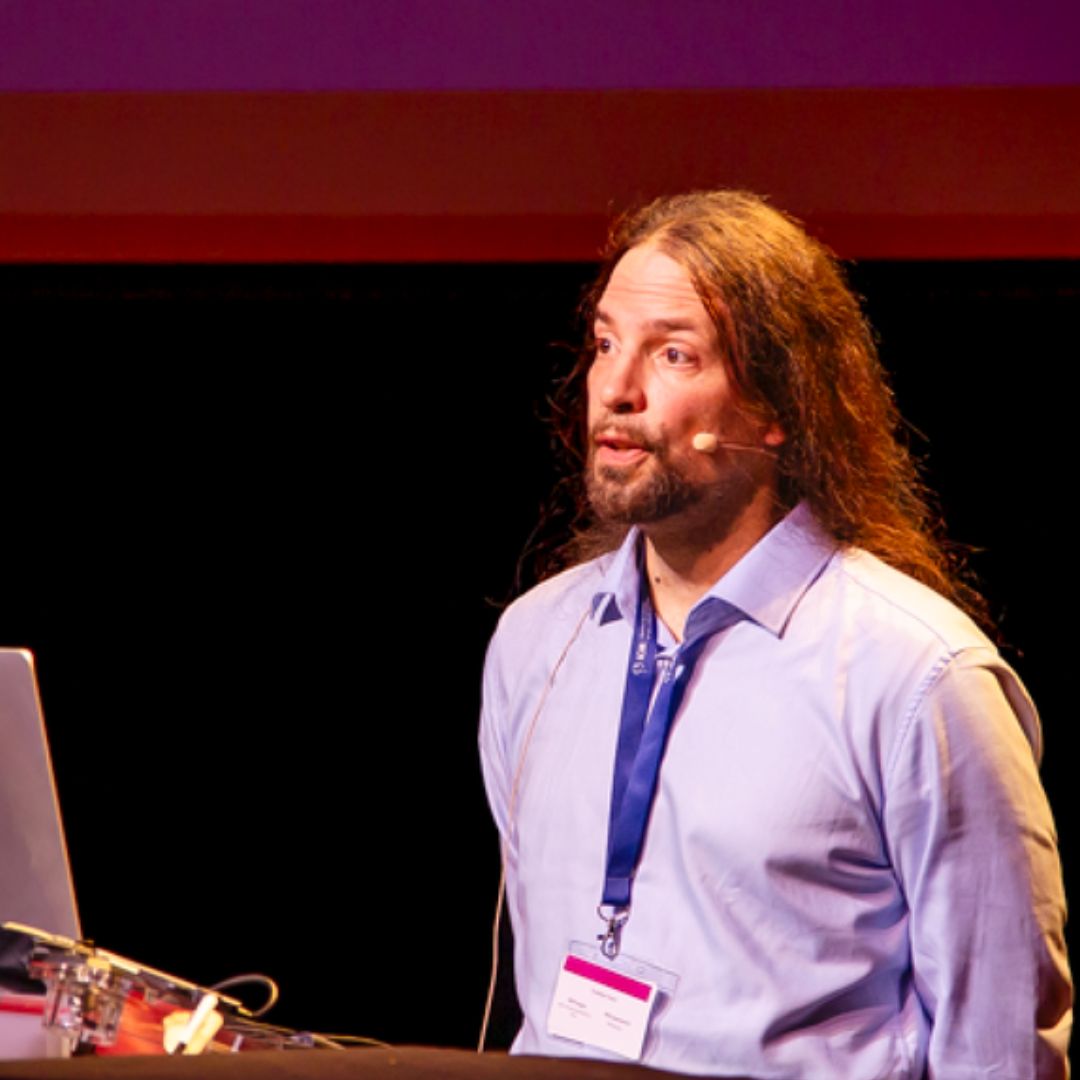
Sylvain Chevallier
Chercheur et enseignant à l'Université Paris-Saclay
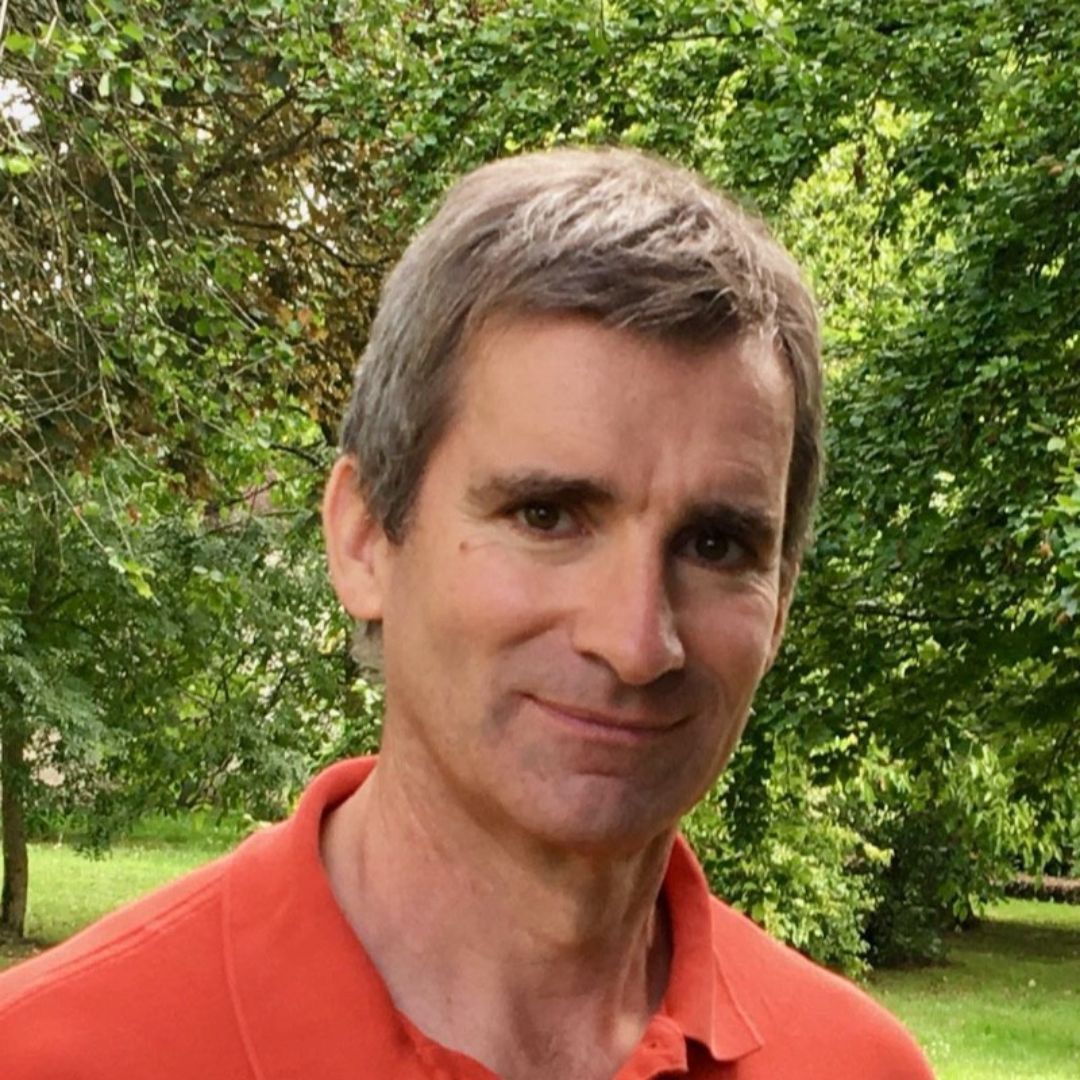
David Rousseau
Directeur de recherche au CNRS, physicien et spécialiste de l’intelligence artificielle
Cécile Germain
Professeur à l'Université Paris-Saclay
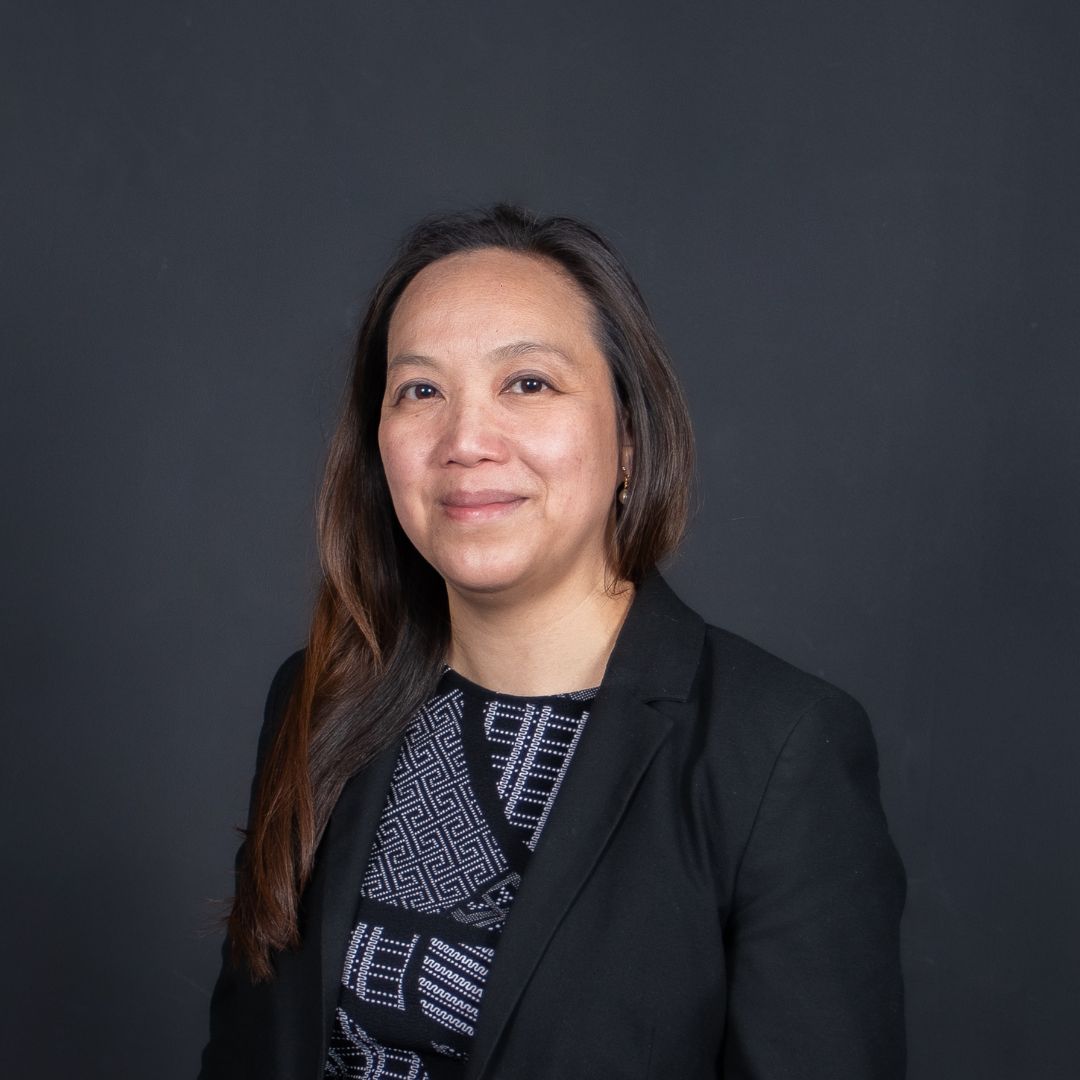
Viviane Hoang
Chargée de projet à l'Institut DataIA
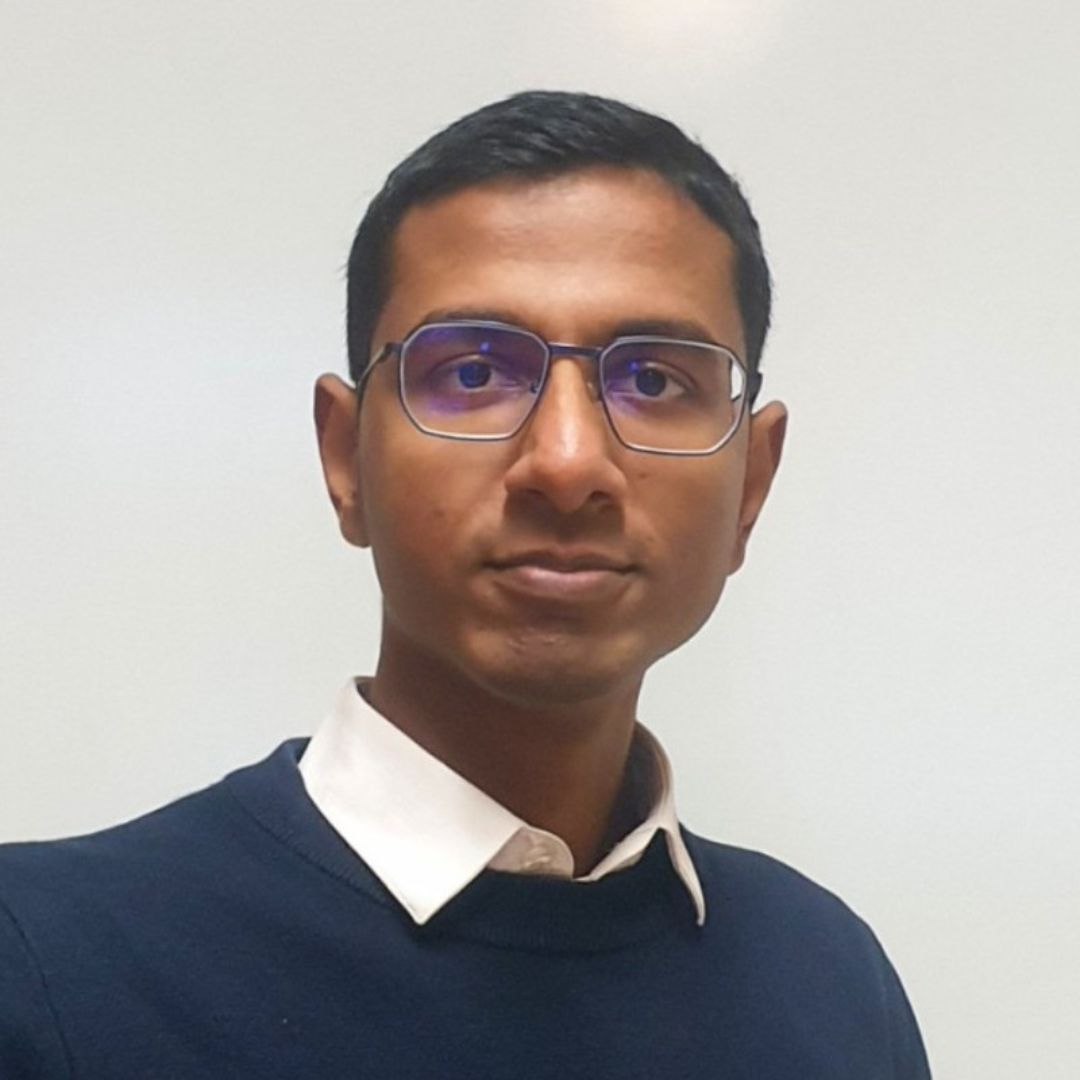
Arnaud Maury
Chargé de projet DeMythif.AI COFUND à l'Institut DataIA