






One week, three venues, one shared ambition
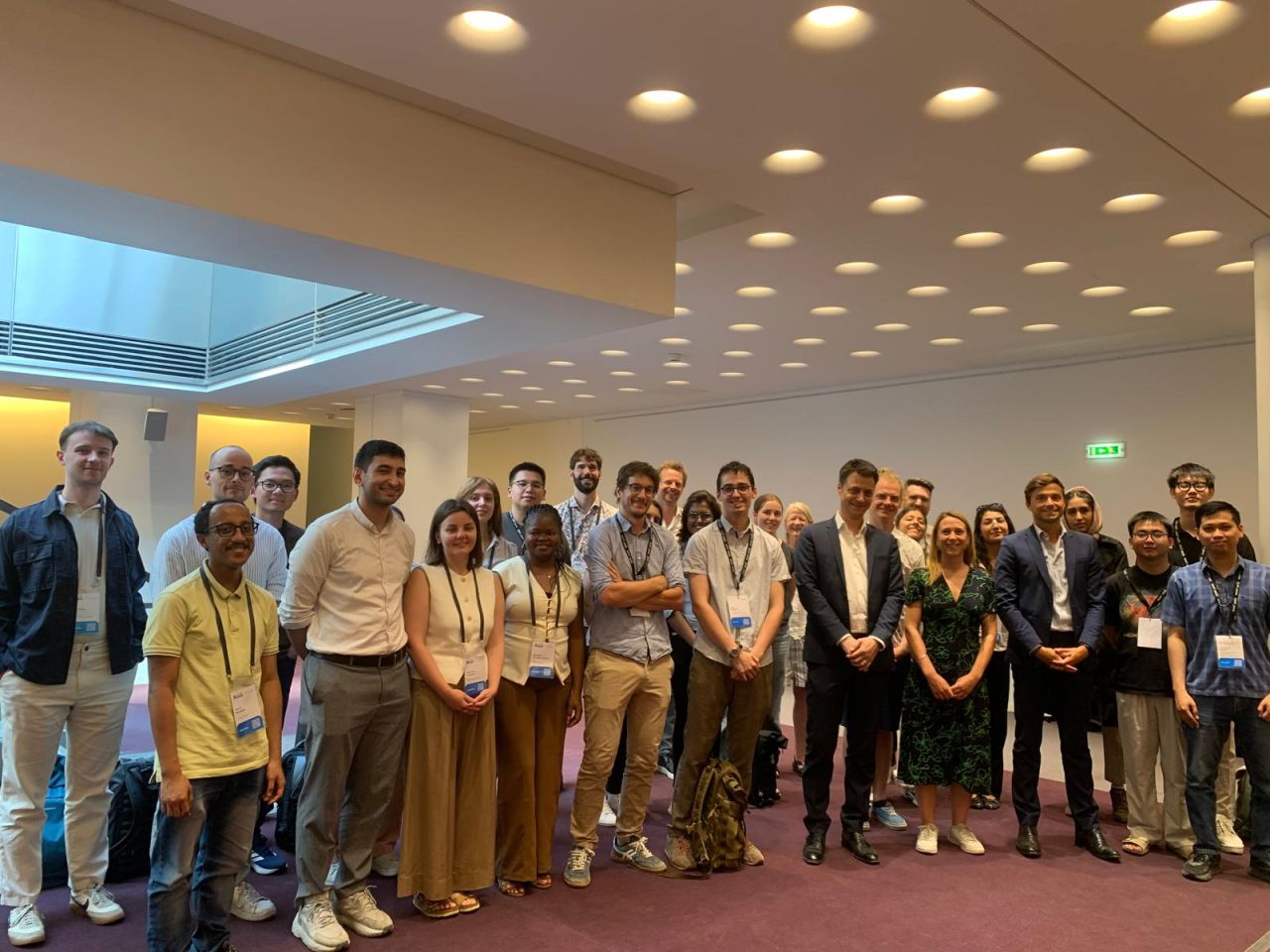
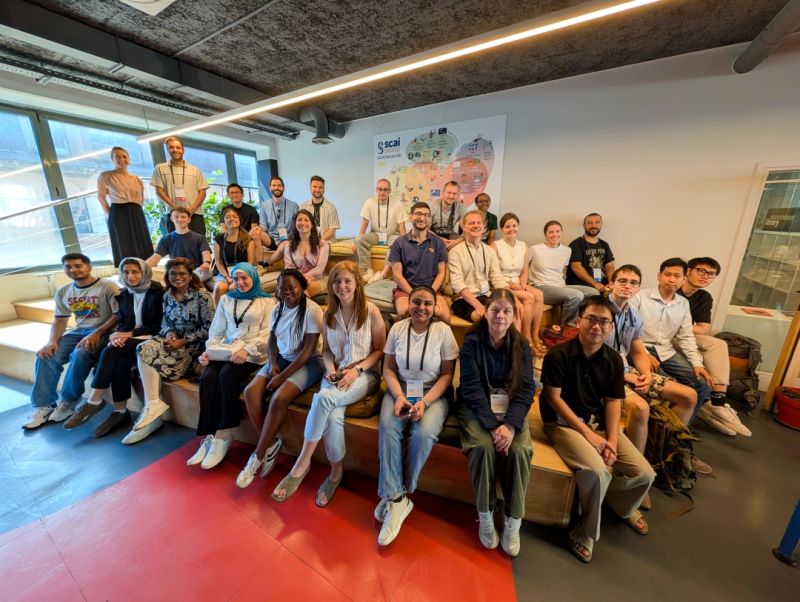
The 2026 ‘AI for Science’ Summer School took place from 6 to 10 July in Paris and the Paris region. Co-organised by the DataIA Paris-Saclay Institute, SCAI (Sorbonne Cluster for Artificial Intelligence) and AI Grid, this intensive course brought together around forty selected PhD students from France and Germany, all engaged in research at the intersection of artificial intelligence and the sciences.
The week was split between three main venues: SCAI for the opening and closing sessions, the Inria Centre in Paris, and CentraleSupélec on the Paris-Saclay University campus. These three different environments gave participants a practical insight into the diversity of the Île-de-France research ecosystem.
Lectures on major applications of AI in science
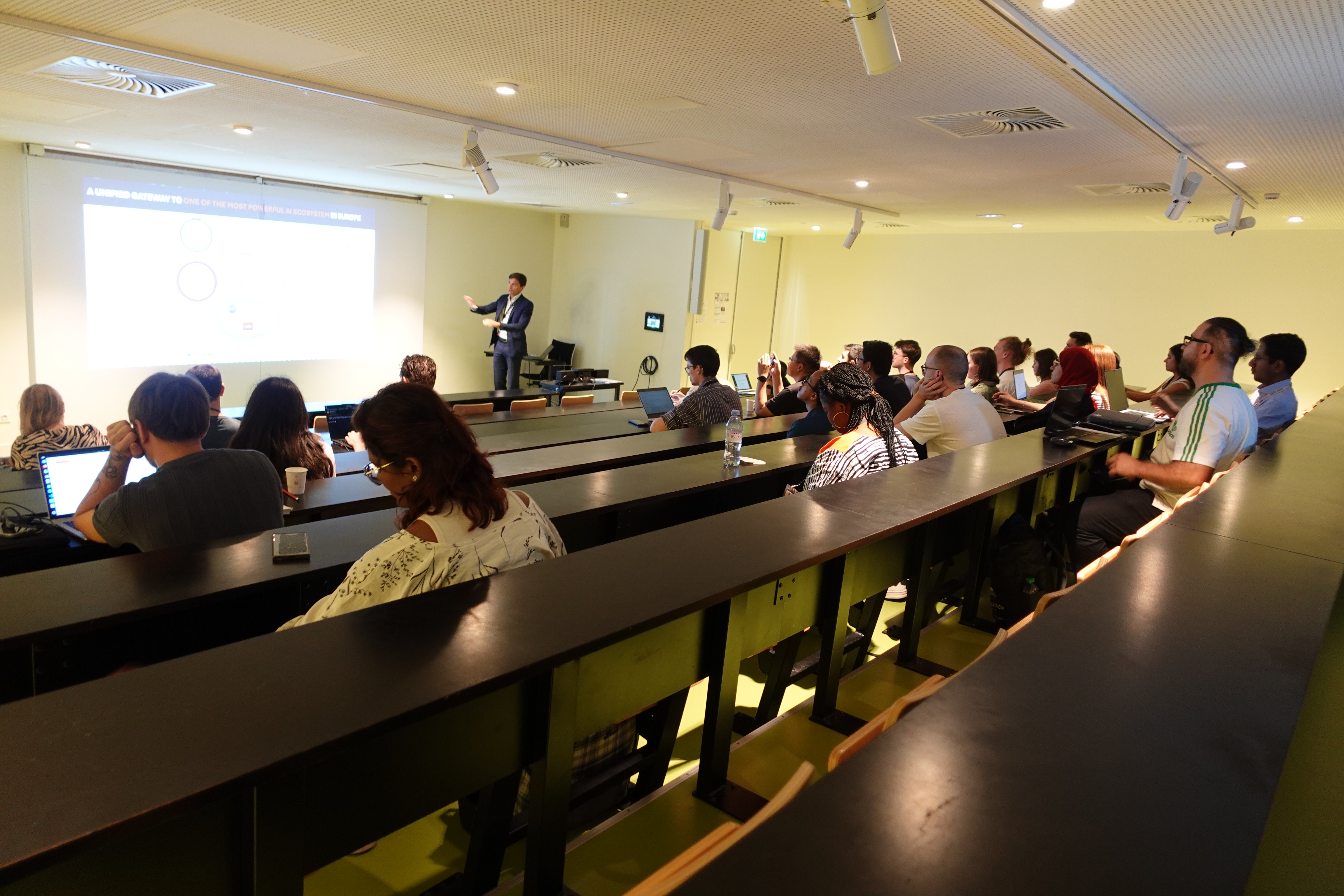
Throughout the week, ten researchers gave plenary talks, covering a broad spectrum of current applications of AI in scientific research.
Participants were thus able to explore how AI is being used to better understand environmental phenomena with Julie Keisler (Inria-ARCHES), whose work focuses on risk prediction and management, and Begüm Demir, a specialist in the analysis of remote-sensing images using machine learning. These two complementary approaches illustrate the potential of AI to monitor and model our environment.
Cybersecurity was also on the agenda, with Elif Kavun discussing the links between AI and cryptography, and Fabrice Kordon (LIP6) speaking on formal tools for securing digital architectures. Vincent Duval, meanwhile, presented the activities and teams at Inria Paris.
In the field of life sciences and health, Demian Wassermann and Nadjib Lazaar presented work on the applications of AI in clinical and biomedical research, a field where technical and ethical challenges are closely intertwined. Kasia Bozek expanded on this discussion with her research into multi-scale and multi-modal analysis of biological data, illustrating how AI now makes it possible to process data of unprecedented complexity.
Mohammed Nabil El Korso explored the interactions between AI and physics, whilst Sylvain Le Corff discussed the mathematical foundations underpinning learning methods – a useful reminder that behind the applications lies a rigorous science.
Each lecture was followed by small-group discussions, enabling PhD students to explore the issues raised in greater depth and engage in direct dialogue with the speakers.
Visits and meetings to take things further
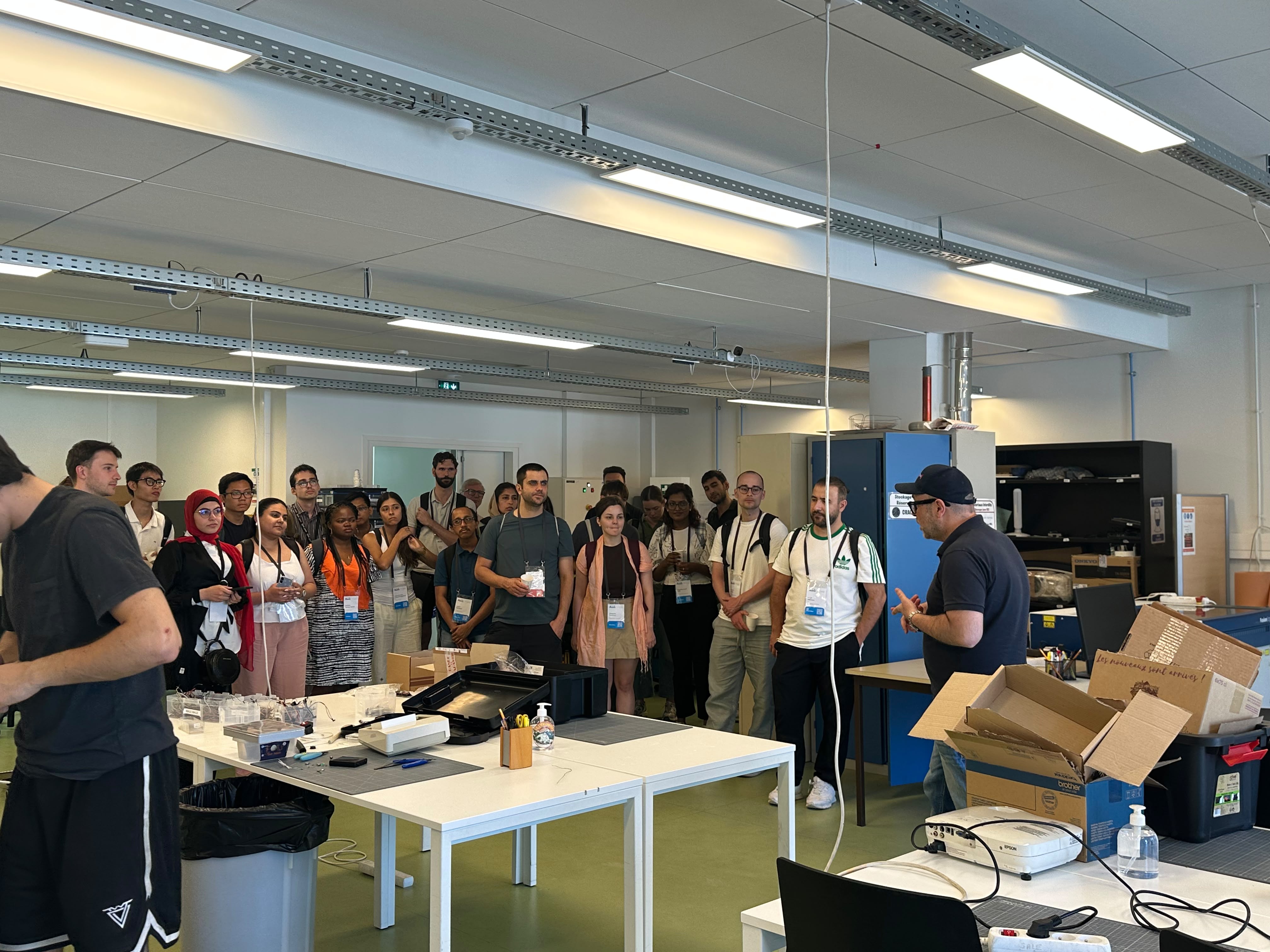
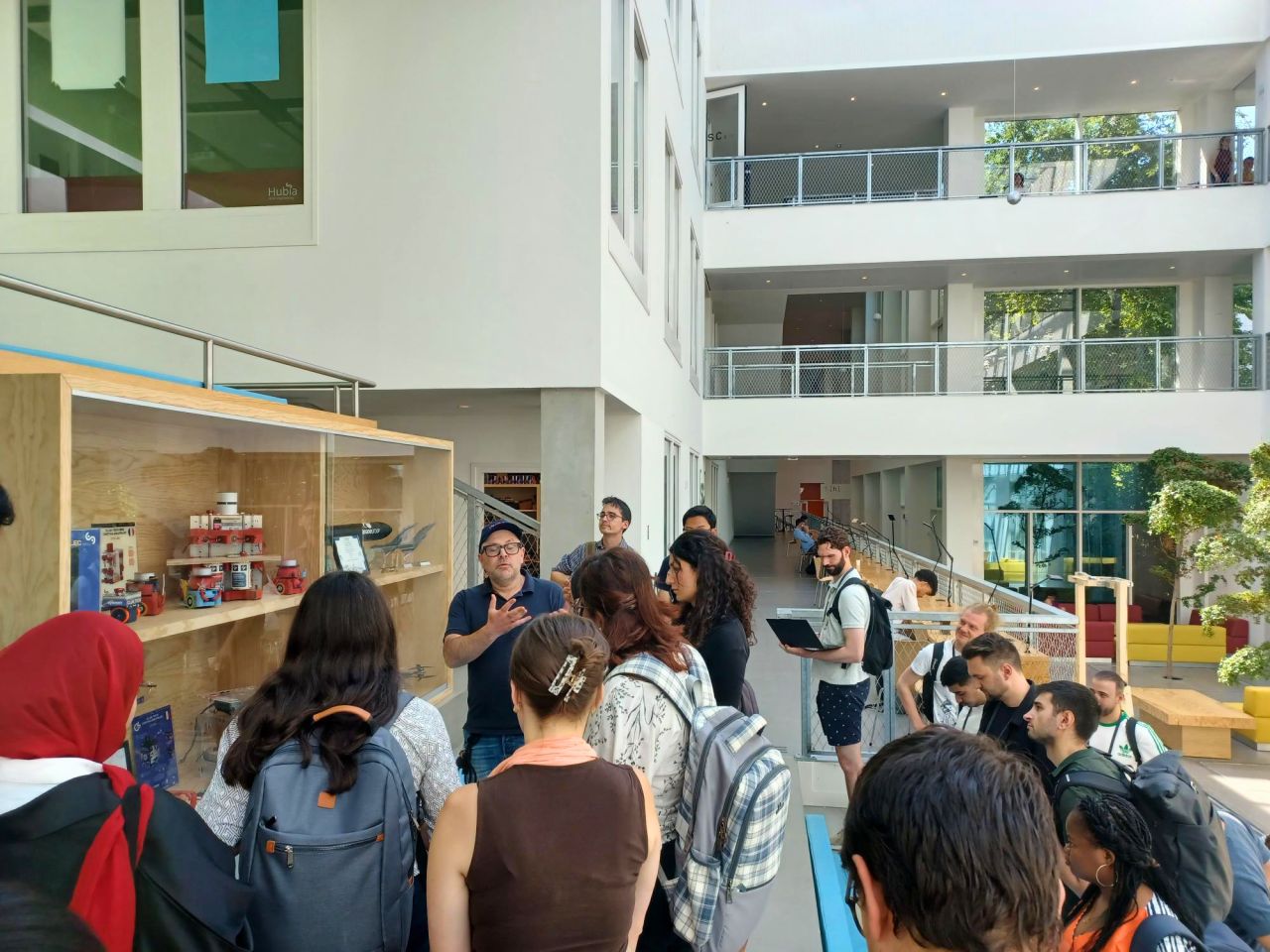
In addition to the talks, the programme included visits to research and innovation centres: the robotics lab at Inria Paris, La Fabrique, CentraleSupélec’s student-focused fablab, and the LISN (Interdisciplinary Laboratory for Digital Sciences), a laboratory affiliated with the DataIA Institute. These hands-on sessions enabled participants to see projects in progress and discover a variety of working environments.
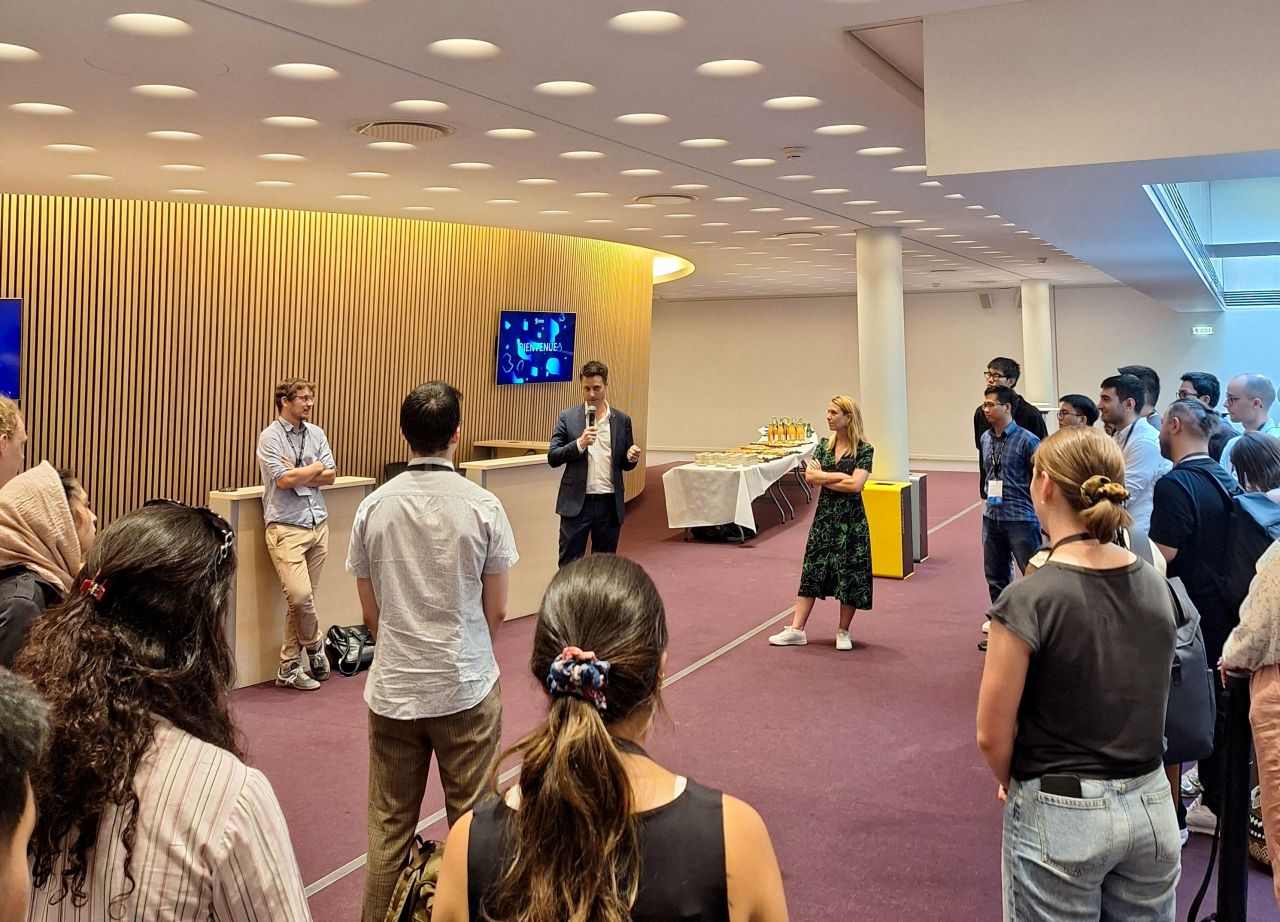
There was also plenty of time for informal interaction: al fresco lunches at the Jardin des Plantes or Parc Montsouris, coffee breaks and the opening night – all providing opportunities to chat freely and forge connections.
Franco-German exchanges at the heart of the scheme
What set this Summer School apart was the central role given to collaboration between the two countries. The PhD students worked together throughout the week, during workshops, poster sessions and group work.
The scientific poster competition, which ran as a recurring theme throughout the week, was one of the highlights of this year’s event. It gave each participant the opportunity to present their PhD research and have it reviewed by their peers and the speakers. The Best Poster Award was presented on the closing morning on Friday at Steffen Castle
A team effort
This 2026 edition confirms the value of the format: a short, intensive, multidisciplinary programme, grounded in cutting-edge research and supported by a strong Franco-German partnership. A big thank you to the speakers, the organising teams and all the participating PhD students who brought this week to life.


